

Introduction
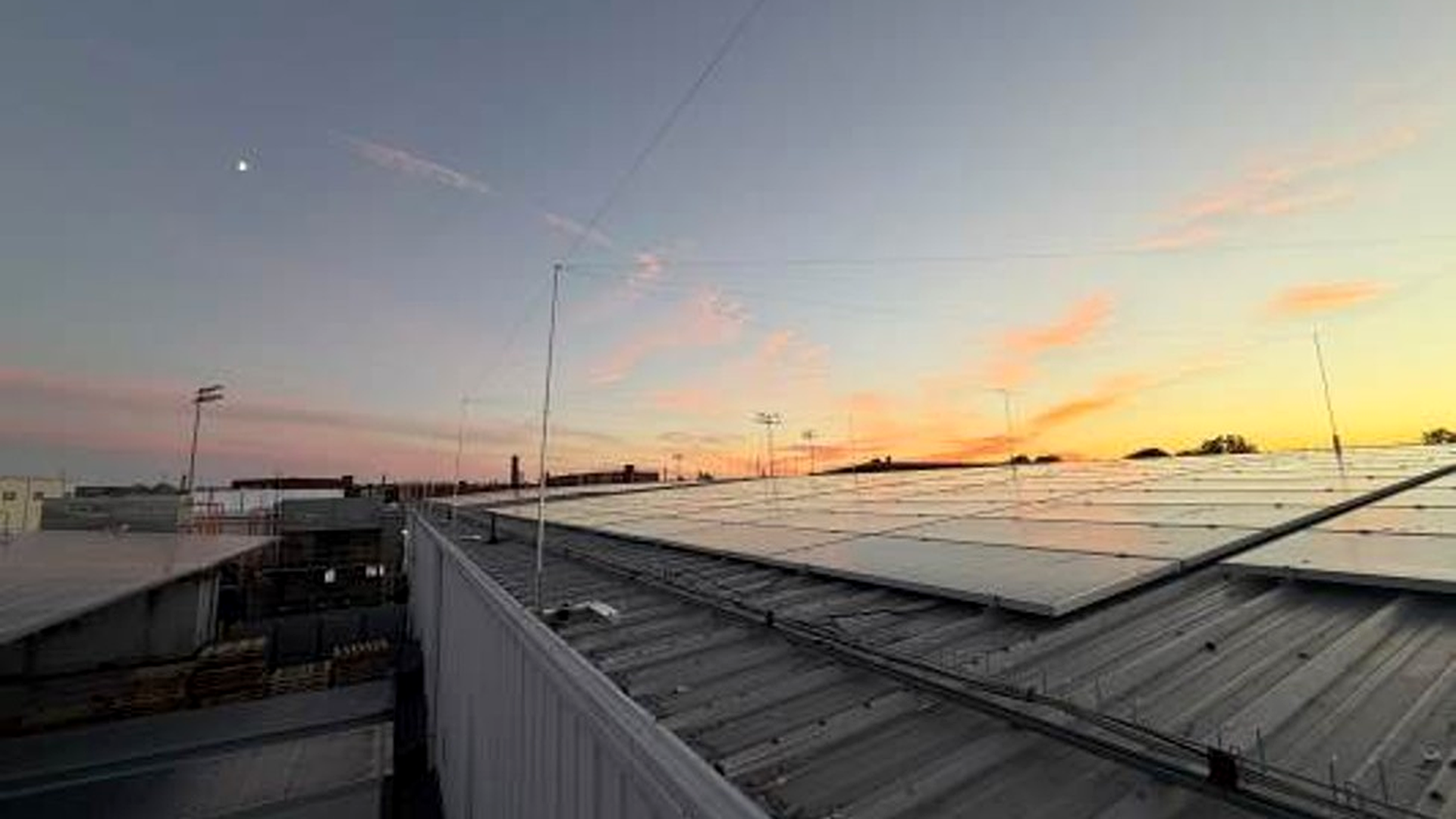
Commercial rooftops need regular attention. Building owners and facility managers must arrange inspections, drainage cleaning, HVAC servicing, roof repairs, equipment maintenance, and seasonal safety checks. However, when seagulls repeatedly gather on a roof, their droppings, nesting activity, and roosting habits can create additional maintenance concerns. This raises an important question: Can seagull deterrent wires be installed without disrupting rooftop maintenance work? In many situations, yes. A properly planned seagull deterrent wire installation can be coordinated with existing rooftop equipment, maintenance routes, access points, and service schedules. The key is to design the system around how the roof is actually used rather than treating the entire surface as an area that needs to be covered. A customised seagull control system can help account for the building's specific layout and operational requirements. Seagull deterrent wires are commonly used to discourage birds from landing and settling on selected roof edges, ledges, parapets, structural projections, and other preferred perching areas. When the system is planned carefully, it can help manage bird activity while preserving access for technicians and maintenance personnel.
This guide explains how seagull deterrent wires work, which rooftop areas should be considered before installation, how to protect maintenance access, and what building managers should discuss with an installer before approving a project.
What Are Seagull Deterrent Wires and How Do They Work?
Seagull deterrent wires are physical bird-control systems designed to make selected surfaces less suitable for landing and perching. A typical wire deterrent system uses a series of support points or poles to hold tensioned wire above a surface. The wires create an arrangement that discourages seagulls from comfortably landing in the protected area. You can learn more about how seagull deterrent systems work on commercial buildings.
Depending on the system design, components may include:
Aluminium support poles
Non-penetrating mounting brackets
Welded pole holders
Nylon-coated stainless steel wire
Polyurethane-coated Kevlar cord
Appropriate crimps and tensioning components
The exact configuration depends on the roof, the bird activity, the surface being protected, and the manufacturer's system specifications.
How Do the Wires Discourage Seagulls From Landing?
Seagulls prefer stable, accessible surfaces where they can land, rest, observe their surroundings, and potentially establish nesting sites. A properly installed wire system introduces physical obstacles into selected landing areas. The wire arrangement reduces the availability of comfortable, unobstructed perching space.
Unlike a solid barrier, deterrent wires use a relatively open arrangement. This can be useful on commercial rooftops where visibility, drainage, airflow, and equipment access need to be considered. The objective is not to cover every part of the roof. It is to address the specific surfaces that attract recurring bird activity while keeping essential building functions accessible.
Which Rooftop Areas Can Be Protected?
Seagull deterrent wires may be considered for areas such as:
Roof edges and parapets
Building ledges
Structural beams and projections
Selected equipment housings
Solar panel perimeter areas
Other elevated surfaces frequently used by gulls
The system should be designed for the particular surface rather than installed as a generic arrangement across the entire roof. For example, roof edges and parapets may need a different layout from equipment areas or other rooftop structures.
Can Seagull Deterrent Wires Be Installed Without Blocking Maintenance Access?
Yes. A well-planned installation can account for routine maintenance routes and access requirements before any brackets, poles, or wires are positioned. The most important consideration is the difference between a surface used primarily for bird perching and an area that technicians need to reach regularly. For example, a roof parapet may provide an attractive landing location for seagulls but may not be part of the normal technician access route. An HVAC service area, by contrast, may need to remain accessible for inspections, filter changes, repairs, and equipment replacement.
A suitable design should distinguish between these uses.
Identify Maintenance Routes Before Installation
Before work begins, building managers should identify the paths technicians use to reach rooftop equipment.
These may include:
Routes from roof access doors or hatches
Walkways between HVAC units
Paths to exhaust fans and ventilation equipment
Access routes to drainage systems
Areas used for electrical inspections
Routes to communication or mechanical equipment
The installer should understand which areas must remain clear and whether technicians need room to carry tools, replacement parts, or service equipment.
Preserve Access Around Equipment
Rooftop equipment often requires clearance for both routine servicing and occasional repairs. A technician may need to open access panels, remove covers, inspect connections, or replace components. A deterrent system should not interfere with these activities. Before installation, review the equipment manufacturer's access requirements and any applicable building or workplace safety rules. The design should preserve required working clearances rather than relying on assumptions about how much space a technician might need. This is especially important when considering how seagull deterrents protect rooftop equipment and building systems.
Keep Emergency and Inspection Access in Mind
Maintenance planning should include more than ordinary servicing. Building personnel may need access to roof drains, safety equipment, electrical systems, and other critical components during inspections or emergencies. A bird-control installation should not obstruct required access or introduce trip hazards, snagging points, or other problems along designated routes.
What Should Building Managers Check Before Installing Rooftop Seagull Deterrent Wires?
A successful project starts with understanding the roof's existing layout and how the building operates. The following considerations can help property managers, facility teams, and commercial building owners plan an installation that addresses bird activity without creating unnecessary maintenance complications.
1. Map Existing Rooftop Equipment
Start by documenting the equipment already installed on the roof.
Depending on the building, this may include:
HVAC units
Exhaust fans
Ventilation systems
Rooftop condensers
Solar panels
Electrical equipment
Drainage outlets
Communication equipment
Roof access structures
Mark the locations of these components on a roof plan or maintenance drawing if one is available. This gives the installer a clearer understanding of where bird deterrents may be appropriate and where additional clearance is necessary.
2. Identify Surfaces Where Seagulls Actually Gather
Not every rooftop surface attracts the same level of bird activity. Seagulls may repeatedly use particular ledges, parapets, roof edges, or elevated structures. Some areas may show more droppings, nesting material, or signs of regular roosting than others. Understanding why seagulls return to the same roofs and properties can help building managers recognise recurring activity patterns.
Inspect the roof and identify:
Frequently used perching surfaces
Areas with accumulated droppings
Locations where nesting material appears
Surfaces near food or waste sources
Areas where bird activity creates recurring cleaning requirements
Targeting the actual problem areas can reduce the need for unnecessary installation work.
3. Review Roof Surface and Mounting Conditions
The condition and construction of the roof influence which mounting method may be suitable. Some commercial roofs have membrane systems or other surfaces that building managers prefer not to penetrate unnecessarily. Non-penetrating mounting solutions may be appropriate in certain applications. For example, Seagull Control Systems uses heavy-duty aluminium brackets and welded pole holders designed for non-penetrating installations in suitable configurations. However, non-penetrating does not mean that every roof surface can automatically support the same mounting arrangement. The installer must assess the roof material, surface condition, wind exposure, equipment layout, and applicable manufacturer requirements.
The mounting system should be appropriate for the building rather than selected solely for convenience.
4. Check Roof Drainage and Water Flow
Drainage is one of the most important considerations when planning rooftop bird control. Water must be able to move toward drains, scuppers, and other drainage points without obstruction.
Before installation, identify:
Roof drains
Drainage channels
Scuppers
Areas where water naturally collects
Locations that require regular cleaning
Deterrent wires, poles, and mounting brackets should be positioned so they do not interfere with drainage or prevent technicians from inspecting and clearing these areas. This is particularly important on flat commercial roofs, where drainage problems can lead to standing water and additional maintenance concerns.
5. Confirm Access for Future Repairs and Replacement Work
A roof that is accessible today may need more extensive work in the future. For example, an HVAC unit may eventually require replacement, a roof membrane may need repair, or a solar installation may be expanded.
Ask whether the deterrent layout allows technicians to reach the relevant areas without removing large sections of the system. In some applications, the installation may need to leave planned access gaps or use a configuration that can be serviced in sections. Thinking about future work helps prevent a bird-control system from becoming an obstacle when the building needs repairs.
How Does Installation Planning Reduce Disruption to Rooftop Maintenance?
Installation planning is not simply about deciding where the wires should go. It also involves coordinating the work with the building's daily operations. A commercial roof may have scheduled inspections, contractor visits, equipment servicing, and safety procedures. Planning around those activities can reduce interruptions.
Schedule Installation Around Existing Maintenance Work
If a roof inspection or equipment service is already planned, building managers may be able to coordinate the bird-control installation with that work. For example, installing deterrent wires in one section while another section is undergoing maintenance may help avoid repeated access restrictions. However, coordination should not result in technicians working in unsafe or overcrowded conditions. The building manager should establish a clear schedule with all contractors.
Divide Large Rooftops Into Work Zones
Large commercial roofs can often be divided into practical work areas. Instead of attempting to install the entire system at once, the project may be organised by roof section, elevation, or building zone.
This approach can help:
Keep some maintenance routes available while other areas are being worked on
Coordinate access for different contractors
Identify installation problems early
Review the completed section before proceeding
Reduce disruption to building operations
The appropriate sequence depends on the size and layout of the roof.
Communicate Temporary Access Restrictions
Even a carefully planned installation may temporarily restrict access to a work area. Facility managers should inform maintenance teams and other contractors about:
Installation dates
Restricted roof sections
Temporary access routes
Areas where tools or materials will be stored
Any changes to normal maintenance procedures
Clear communication reduces confusion and helps prevent workers from entering active installation areas.
Which Materials Are Suitable for Commercial Rooftop Seagull Deterrent Systems?
The materials used in a wire deterrent system influence its suitability, durability, and installation requirements. Commercial rooftop environments can expose components to sunlight, temperature changes, moisture, wind, and general weathering. Material selection should account for these conditions.
Aluminium Poles and Mounting Components
Aluminium poles are commonly used to support wire deterrent systems. In some Seagull Control Systems configurations, aluminium poles are approximately six to eight feet long, although the required pole dimensions depend on the installation design. The poles provide support for the wire arrangement and must be positioned to create the intended deterrent configuration. Heavy-duty aluminium brackets and welded pole holders can provide mounting support while avoiding unnecessary roof penetrations in suitable applications.
Nylon-Coated Stainless Steel Wire
Nylon-coated stainless steel wire combines a stainless steel core with an exterior coating. The stainless steel provides the structural wire component, while the coating provides an additional protective layer. The wire must be selected and tensioned according to the system design. Incorrect tension can affect performance and may place unnecessary stress on supporting components.
Polyurethane-Coated Kevlar Cord
Polyurethane-coated Kevlar cord is another material option used in certain wire deterrent configurations. Its suitability depends on the application, environmental conditions, and system requirements. Building managers should ask the installer which material is recommended for their particular roof and why.
Crimps and Connection Components
Crimps secure wire or cord connections and help maintain the intended system arrangement. Seagull Control Systems uses nickel-coated copper crimps in its wire system configurations. All connection components should be compatible with the selected wire and installed according to the appropriate specifications.
How Can a Seagull Deterrent System Work Around HVAC Units and Solar Panels?
Commercial rooftops often contain equipment that cannot simply be covered or obstructed. A bird-control design must consider how technicians interact with this equipment and how the equipment itself operates.
HVAC Equipment
HVAC systems require regular inspection and servicing. Technicians may need to access filters, electrical connections, fan assemblies, coils, refrigerant components, and service panels. Deterrent wires should not interfere with the equipment's required operating clearances or maintenance procedures. In many cases, the system can be designed to address nearby perching surfaces while leaving the service area accessible.
Solar Panel Installations
Solar panel arrays can create elevated surfaces and sheltered spaces that may attract birds. However, solar installations also require access for inspections, cleaning, electrical maintenance, and occasional repairs.
A wire deterrent system around a solar array should account for:
Panel edges and layout
Mounting structures
Electrical cable routes
Drainage and water flow
Maintenance access
Manufacturer requirements
The installation should not interfere with the solar equipment or create unsafe access conditions. Building managers can also review why seagull control is important for buildings with rooftop solar panels.
Exhaust Fans and Ventilation Structures
Birds may perch on raised ventilation equipment or nearby structural surfaces. However, exhaust and ventilation equipment must remain unobstructed and accessible. The deterrent layout should be planned around the equipment's operating requirements, not simply placed wherever birds have been observed.
What Are the Common Mistakes That Can Disrupt Rooftop Maintenance?
Even a suitable deterrent system can create operational problems if installation planning is rushed.
Covering Too Much of the Roof
Installing deterrent wires across every available surface is not necessarily the best approach. It may create unnecessary material costs and complicate access to equipment that does not attract significant bird activity.
A targeted design based on observed bird behaviour is often more practical.
Ignoring Maintenance Clearance
A system may discourage seagulls effectively but still create problems if it restricts access to HVAC units, drains, electrical equipment, or roof inspection areas. Maintenance requirements should be considered before installation, not after the wires are in place.
Overlooking Drainage Points
Poor placement around roof drains and drainage channels can make routine cleaning more difficult. The installation plan should preserve access to all relevant drainage components.
Choosing Mounting Methods Without Assessing the Roof
A mounting solution that works on one roof may not be appropriate for another. Roof materials, membrane conditions, structural layout, and environmental exposure all influence the installation approach. A professional assessment helps avoid selecting components that are unsuitable for the building. A professional seagull site assessment can help identify these considerations before installation begins.
Failing to Coordinate Contractors
If building maintenance teams and bird-control installers are working on the same roof without coordination, access conflicts can occur. A shared schedule and clear work-zone plan can help avoid unnecessary disruption.
What Does a Maintenance-Friendly Seagull Wire Installation Process Look Like?
Although every roof is different, a practical installation process generally follows several stages.
Step 1: Inspect the rooftop
The installer evaluates the roof layout, bird activity, mounting surfaces, equipment, drainage, and access routes.
Step 2: Identify priority bird-control areas
Frequently used perching and nesting locations are identified so the system addresses the actual problem areas.
Step 3: Review maintenance requirements
Facility managers explain which areas need regular access, what equipment requires clearance, and whether future repairs or upgrades are planned.
Step 4: Develop the system layout
The proposed wire arrangement, poles, brackets, and mounting points are planned around both bird-control needs and rooftop operations.
Step 5: Coordinate the installation schedule
The building manager and installer agree on work zones, access restrictions, and contractor coordination.
Step 6: Install the mounting components and wires
The selected components are installed according to the system design and the roof's requirements.
Step 7: Inspect the completed installation
The installer and facility team review the finished work to identify any access conflicts, loose components, or issues requiring adjustment.
Step 8: Establish future inspection procedures
The building manager includes the deterrent system in the property's maintenance planning so its condition can be checked periodically.
How Should Building Managers Maintain Seagull Deterrent Wires After Installation?
A deterrent system should be included in the building's regular rooftop inspection routine.
Maintenance does not necessarily require frequent adjustments, but periodic checks can help identify problems before they affect performance. Building managers can also consider how long professional seagull deterrent systems last when planning long-term maintenance.
Inspect Wire Tension and Connections
Check whether the wires remain in their intended position and whether visible connections appear secure.
Loose or damaged components should be assessed by an appropriate service professional.
Examine Poles and Mounting Brackets
Look for signs of movement, corrosion, physical damage, or changes in the mounting arrangement.
The inspection should also confirm that the installation remains suitable for the roof surface.
Check for Debris and Accumulation
Leaves, nesting material, and other debris can collect around rooftop structures.
Inspect the areas around the deterrent system and remove debris using appropriate maintenance procedures.
Reassess Access Requirements After Roof Changes
If the building adds HVAC equipment, modifies a solar array, replaces a roof section, or changes maintenance routes, the deterrent layout may need to be reviewed. A system that was appropriate when first installed may require adjustments after major rooftop changes.
What Should You Ask a Seagull Deterrent Installer Before Starting a Commercial Project?
Before approving a project, ask questions that address both bird-control performance and building operations.
Useful questions include:
Which rooftop areas are attracting the most seagull activity?
Can the system be designed around existing HVAC equipment and service routes?
What mounting options are suitable for this roof surface?
Can non-penetrating brackets be used in the proposed application?
How will roof drains and drainage channels remain accessible?
Which wire or cord material is recommended for this environment?
How will technicians access equipment after installation?
Can the project be divided into work zones?
What inspections or maintenance will the system require?
How will future roof repairs or equipment replacements be accommodated?
A qualified installer should be willing to discuss these considerations before work begins.
For commercial property owners, the best bird-control solution is not simply the one that covers the most roof area. It is the one that addresses the bird problem while fitting the building's practical needs.
Frequently Asked Questions About Installing Seagull Deterrent Wires on Commercial Roofs
1. Can seagull deterrent wires be installed while a commercial building remains operational?
Yes. Installation can often be scheduled in phases and coordinated with building operations. Temporary access restrictions may still be necessary in active work zones.
2. Do seagull deterrent wires block HVAC maintenance access?
They should not when the system is properly planned. Installers should identify equipment clearances and service routes before positioning poles, brackets, and wires.
3. Can bird deterrent wires be installed without drilling into a commercial roof?
Some systems use non-penetrating mounting solutions, such as suitable aluminium brackets and pole holders. Whether this approach is appropriate depends on the roof construction and installation requirements.
4. Can seagull deterrent wires be installed around rooftop solar panels?
Yes, in suitable applications. The design should account for panel layout, electrical components, drainage, and the access needed for solar inspections and repairs.
5. Will seagull deterrent wires interfere with roof drainage?
They should be positioned so that roof drains, scuppers, and drainage channels remain accessible and unobstructed. Drainage planning should be part of the initial roof assessment.
6. How are maintenance walkways protected during installation?
The installer can identify required routes and incorporate clear access areas into the layout. Large projects may also be divided into work zones to coordinate installation and maintenance activities.
7. What materials are used in commercial seagull deterrent wire systems?
Depending on the system, components may include aluminium poles, heavy-duty aluminium brackets, nylon-coated stainless steel wire, polyurethane-coated Kevlar cord, and compatible crimps.
8. Do seagull deterrent wires require regular maintenance?
Periodic inspections are advisable. Building teams should check wire tension, connections, support components, debris accumulation, and any changes to rooftop access requirements.
9. Can a deterrent wire system be modified if rooftop equipment is added later?
Potentially, yes. If new equipment or maintenance routes are introduced, the system should be reassessed by an appropriate installer to determine whether adjustments are needed.
10. Should seagull deterrent wires cover the entire commercial roof?
Not necessarily. A targeted installation focused on recurring perching and landing locations can be more practical while preserving access to areas used for equipment servicing and building maintenance.
Conclusion: Plan Seagull Deterrent Installation Around Rooftop Operations
Seagull deterrent wires can often be installed without significantly disrupting commercial rooftop maintenance, provided the project is planned around the building's existing layout and operational requirements. The most important steps are to identify recurring bird activity, map equipment and maintenance routes, preserve drainage access, select suitable mounting components, and coordinate installation work with facility teams. A well-designed system should address the surfaces where seagulls regularly gather without making routine inspections, HVAC servicing, solar maintenance, or roof repairs unnecessarily difficult.
For commercial property owners, facility managers, and building maintenance teams, the goal should be a practical bird-control solution that works alongside the building rather than interfering with it. Seagull Control Systems provides specialised bird deterrent solutions for commercial and industrial properties across the United States and Canada. Visit Seagull Control Systems to explore its bird control solutions, review available products, and learn more about its commercial services in the United States and Canada. If you are planning a rooftop installation, contact the team to discuss your building layout, bird activity, and maintenance access requirements.