

Introduction
Commercial rooftops often contain far more than roofing materials. HVAC units, ventilation systems, exhaust fans, electrical equipment, solar panels, drainage components, communication equipment, and other building systems may all be exposed to birds throughout the year. Seagulls can turn these otherwise functional spaces into regular nesting, roosting, and feeding areas.
The problem is not simply the presence of birds. Seagull droppings can accumulate around equipment, block drainage areas, create unpleasant odors, contribute to surface deterioration, and increase cleanup requirements. Nesting materials can also collect around vents, mechanical components, and other areas where birds find shelter.
A professional seagull deterrent system helps address these problems by making vulnerable areas less attractive or accessible to birds. Depending on the property, solutions may include physical barriers, exclusion systems, bird wire, netting, spikes, visual deterrents, or other professionally selected methods.
The goal is not to harm seagulls. A properly designed system creates a controlled environment that discourages nesting and roosting while allowing building equipment and rooftop systems to continue operating normally.
Why Seagulls Target Commercial Rooftops
Seagulls are highly adaptable birds. Flat commercial roofs can provide elevated locations that offer visibility, shelter, warmth, and relatively undisturbed areas for resting or nesting.
Rooftops may also be close to food sources such as restaurants, waste facilities, fishing areas, food-processing operations, marinas, and other locations what causes seagulls to roost on commercial properties.
Rooftop Equipment Can Create Attractive Roosting Areas
HVAC units, pipes, mechanical housings, parapets, solar panel edges, and other rooftop structures can provide convenient perching locations.
Equipment can also create sheltered spaces that are protected from some weather conditions. Once gulls become accustomed to a particular rooftop, repeated use can turn occasional bird activity into a persistent property-management problem.
Nesting Can Make the Problem More Difficult
A few birds landing on a roof may not seem serious. The situation can change once gulls establish nesting activity.
Nesting birds may repeatedly return to familiar locations. Nest materials, feathers, droppings, and food remains can accumulate around equipment and roof surfaces. During nesting periods, birds may also become more defensive around their territory.
For that reason, knowing how to stop seagulls from nesting on commercial rooftops is generally easier to manage than waiting until a rooftop has developed a large, established bird population.
How Seagulls Can Affect Rooftop Equipment and Building Systems
Seagull activity can affect both the cleanliness of a property and the environment around important building systems.
The level of risk depends on the type of equipment, roof design, bird activity, drainage configuration, climate, and maintenance practices. A professional assessment can help determine which areas require protection.
HVAC Systems
Commercial HVAC equipment is often located on exposed rooftops, making it vulnerable to bird activity.
Droppings and nesting materials can accumulate around equipment housings, service areas, and nearby roof surfaces. Debris may also make routine maintenance more difficult by creating additional cleanup requirements for technicians.
Keeping bird activity away from HVAC equipment helps maintain a cleaner working environment around mechanical systems.
Roof Drains and Drainage Areas
Drainage is one of the most important functions of a commercial roof.
Leaves, nesting materials, feathers, and other debris can accumulate around drains and drainage pathways. When combined with other roof debris, this material may interfere with normal water flow.
A seagull deterrent system can help reduce the amount of bird-related debris reaching vulnerable drainage areas, although routine roof maintenance remains necessary.
Solar Panels
Solar arrays can provide flat, sheltered surfaces that birds may use for resting or nesting.
Droppings beneath or around solar panels can create maintenance concerns and make cleaning more difficult. Nesting materials may also accumulate in spaces around panels, depending on the system's design and installation.
Learning how to protect solar panels from seagull droppings, nesting, and roosting often involves perimeter and underside protection designed specifically to discourage birds without interfering with energy production.
Electrical and Communication Equipment
Rooftops may contain electrical cabinets, communication equipment, conduits, wiring, and other infrastructure.
Bird activity around these components can create maintenance concerns, particularly when nesting materials and droppings accumulate nearby. Keeping birds away from restricted equipment zones provides an additional layer of protection for the overall rooftop environment.
Roof Surfaces and Building Exteriors
Bird droppings contain compounds that can contribute to staining and surface deterioration over time, particularly when deposits are allowed to accumulate. Understanding how seagulls can damage commercial roofs, HVAC equipment, and building surfaces is key to preventative building management.
Frequent contamination also creates more work for maintenance teams. Reducing bird activity can help property owners limit recurring cleanup around roof edges, walls, walkways, entrances, and equipment areas.
How Professional Seagull Deterrent Systems Work
A professional bird deterrent system does not rely on one universal product.
The right approach depends on where birds are landing, why they are using the property, how they access the area, and which building components need protection.
1. Identify Bird Activity
The first step is understanding the problem.
A site assessment may examine:
Primary roosting locations
Nesting areas
Bird entry and landing points
Food and water sources
Roof edges and parapets
HVAC equipment
Solar panels
Drainage areas
Docks, loading areas, or waste facilities
Existing bird-control measures
This information helps determine where intervention is actually needed.
2. Identify Vulnerable Equipment
Not every rooftop component needs the same type of protection.
An HVAC unit may require a different deterrent approach than a solar array. A narrow ledge may need a physical exclusion method, while a large open area may benefit from another type of system.
Protecting the equipment itself is only part of the process. The surrounding areas where birds land or approach the equipment may also need attention.
3. Select the Appropriate Deterrent
Professional systems can include different technologies depending on the property.
Common approaches include bird wire, exclusion netting, bird spikes, physical barriers, and other deterrent methods designed for specific structures.
The objective is to make the targeted area unsuitable or inaccessible for roosting without causing unnecessary harm to wildlife.
4. Install the System Around the Problem Areas
Installation should account for the structure and its normal operation.
Equipment must remain accessible for inspection and service. Ventilation openings should not be improperly blocked, drainage should remain functional, and solar panels should continue receiving sunlight.
This is one reason professional planning matters. A deterrent that works for one rooftop may be inappropriate for another.
5. Monitor and Maintain
Bird control is not necessarily a one-time installation followed by complete inattention.
Properties change. Equipment may be replaced, roof structures may be modified, and birds may discover new access points. Periodic inspection can help identify gaps or areas where deterrent coverage needs adjustment.
Common Types of Seagull Deterrents for Rooftops
Different rooftop conditions call for different solutions.
Bird Wire Systems
Bird wire creates a physical or visual obstacle that discourages birds from landing in protected areas.
It can be useful along roof edges, ledges, and other locations where birds regularly perch. Proper placement is critical because gulls are persistent birds and may simply move to an unprotected section if coverage is incomplete.
Bird Netting and Exclusion Systems
Netting can physically prevent birds from entering selected spaces.
This approach may be useful beneath structures, around equipment, or in areas where birds repeatedly attempt to nest. The system must be professionally designed and installed so it does not create hazards for birds or interfere with building operations.
Bird Spikes
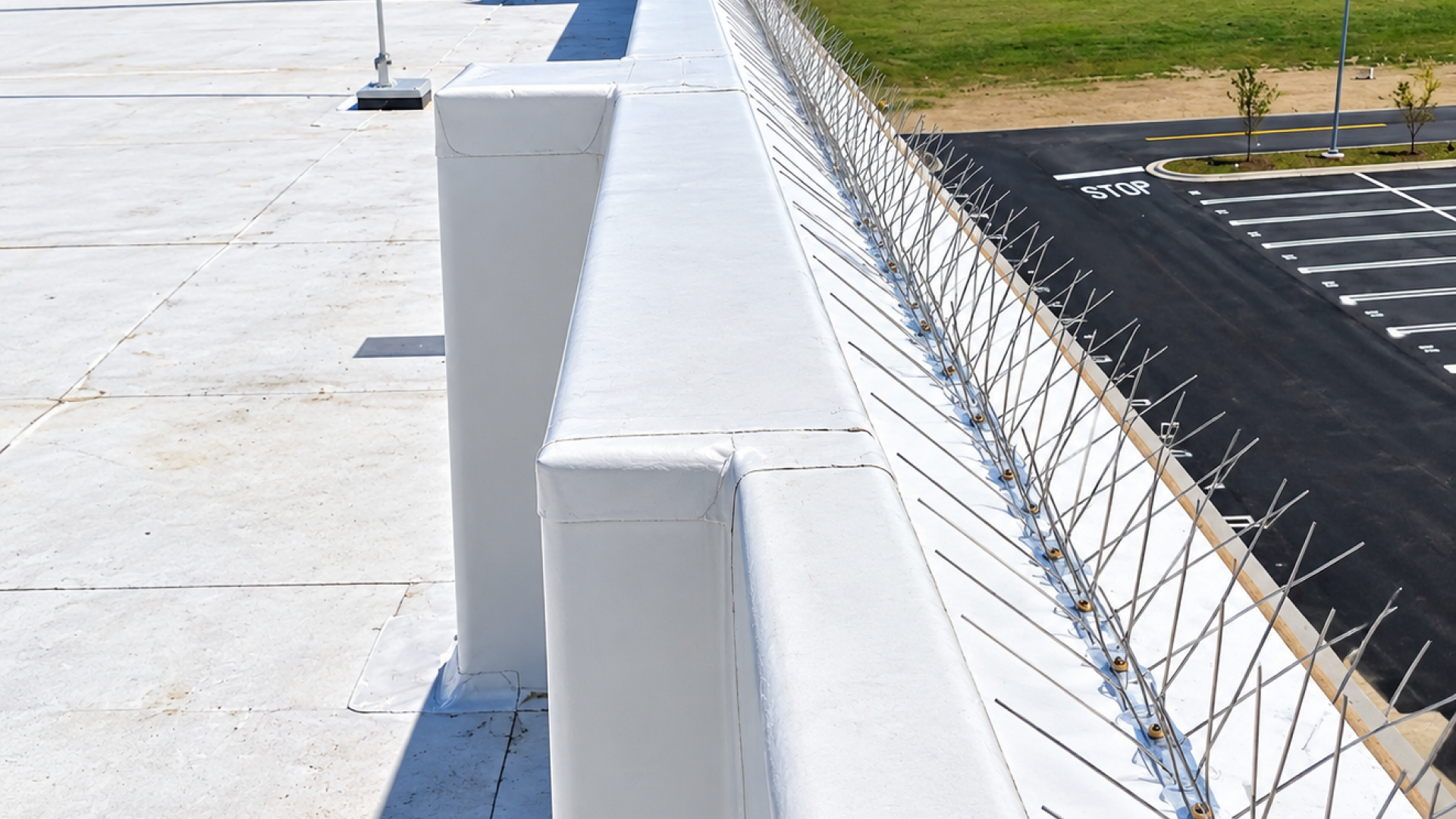
Bird spikes can discourage birds from landing on narrow ledges and similar surfaces.
They are typically most effective when the protected area is clearly defined and the installation eliminates nearby landing opportunities. Spikes should be selected and installed appropriately for the species, surface, and structure.
Other Deterrent Methods
Depending on the property, professional bird-control plans may incorporate additional deterrent technologies or exclusion methods.
The best solution is rarely determined by the product name alone. Site conditions, bird behavior, equipment layout, and maintenance requirements all influence the appropriate strategy.
Why Professional Installation Matters
A common mistake is treating seagull control as a simple matter of placing a deterrent wherever birds are visible.
Birds may use multiple landing routes. If one area is blocked but another remains available, they may simply relocate.
Professional installation considers the complete pattern of bird activity rather than focusing on a single visible symptom. Exploring a complete guide to humane seagull deterrence for commercial and residential properties provides a complete blueprint for proper planning.
Protecting Equipment Access
Rooftop equipment needs regular servicing.
A deterrent system should not make it unnecessarily difficult for technicians to inspect filters, motors, electrical connections, panels, or other components. A thoughtful design protects the equipment while preserving reasonable service access.
Avoiding Interference With Building Operations
Rooftop systems have specific operational requirements.
HVAC ventilation, solar access, drainage, electrical infrastructure, roof membranes, and maintenance pathways all need to be considered before installation.
The deterrent should work with the building rather than create a new maintenance problem.
How Seagull Deterrents Support Long-Term Property Maintenance
The value of bird control extends beyond keeping a roof visually cleaner.
Reducing repeated bird activity can support a more manageable maintenance environment.
Less Recurring Bird-Related Cleanup
A property with persistent gull activity may require repeated removal of droppings, feathers, nesting materials, and other debris.
Reducing the source of that contamination can make routine maintenance more manageable.
Better Protection Around Critical Systems
Keeping birds away from equipment reduces the likelihood of bird-related debris accumulating directly around vulnerable systems.
It does not replace preventive maintenance, inspections, or equipment servicing, but it can complement those practices.
A Cleaner Commercial Property
Bird droppings can affect visible areas such as entrances, sidewalks, exterior walls, rooftop access points, and customer-facing spaces.
For businesses with outdoor dining, hospitality areas, warehouses, offices, or commercial facilities, controlling bird activity can contribute to a cleaner overall environment.
Seagull Deterrents for Solar Panels
Solar arrays deserve special consideration because birds can access the space around and beneath panels.
A solar panel bird deterrent system should be designed around the specific array configuration.
Why Birds Nest Under Solar Panels
Solar panels can create sheltered spaces that provide protection from weather and direct exposure. Once birds discover these spaces, nesting activity may become recurring.
Nesting material beneath panels can be difficult to remove without proper access and can make routine solar maintenance more complicated.
Protecting Solar Investment
Solar installations represent a significant investment for many property owners.
Keeping the area around the panels clear of bird activity can support easier maintenance and help property owners protect the surrounding infrastructure. The deterrent should be installed carefully so it does not damage the panels, mounting system, or roof.
Seagull Control for Other Building Areas
Rooftops are not the only locations where professional deterrents can help.
Seagulls may also create problems around:
Docks and piers
Marinas
Warehouses
Waste facilities
Restaurants
Outdoor dining areas
Parking structures
Building ledges
Loading areas
Industrial facilities
Residential properties
Each environment has different access points and bird behaviors.
For example, a restaurant with outdoor dining may need to address perching locations above customer areas, while a warehouse may need to protect roof edges and loading zones. Property managers looking for the best seagull deterrent solutions for docks and piers may require specialized railings, wire setups, and floating barriers.
Common Misconceptions About Seagull Deterrents
“One Bird Deterrent Works Everywhere”
It does not.
A system designed for a narrow roof ledge may not be appropriate for a large solar array or an open industrial roof. Effective bird control starts with understanding the site.
“Cleaning the Droppings Solves the Problem”
Cleaning addresses the visible contamination, not the reason birds keep returning.
If the same roosting and nesting locations remain available, new droppings may quickly appear.
Cleaning and deterrence work best together: remove existing contamination safely and address the conditions that encourage repeated bird activity.
“Deterrents Mean Harming the Birds”
Humane bird control is based on exclusion and behavioral deterrence. Property managers often ask, are seagull deterrent systems safe and humane for wildlife? The answer is yes—when designed correctly.
The objective is to discourage birds from using specific areas while allowing them to move elsewhere. Proper system selection and installation are important to avoid creating unintended hazards.
“DIY Products Always Provide a Permanent Fix”
DIY products can sometimes help with small, isolated problems, but larger commercial properties are more complicated.
Gulls may have several access points, large protected areas, and established nesting behavior. A professional assessment can identify the underlying pattern rather than treating only the most visible location.
Best Practices for Protecting Rooftop Equipment From Seagulls
Property owners can improve long-term bird management by combining deterrence with regular maintenance.
A practical approach includes:
Inspect the property regularly. Look for new nesting materials, droppings, feathers, and recurring landing areas.
Identify food and waste sources. Open trash, food waste, and accessible refuse can encourage bird activity.
Keep drainage areas maintained. Do not allow debris to accumulate around roof drains.
Protect vulnerable equipment. Identify HVAC units, solar panels, electrical systems, and other components that require additional protection.
Address nesting activity early. Established bird activity can become more difficult to manage.
Use species-appropriate deterrents. The solution should match the structure and bird behavior.
Preserve maintenance access. Equipment must remain serviceable after installation.
Review the system periodically. Building modifications or changes in bird activity may require adjustments.
When Should a Property Owner Consider Professional Seagull Control?
Professional assistance makes sense when bird activity is persistent, widespread, or affecting important building systems.
Warning signs include recurring nests, heavy droppings around HVAC equipment, birds gathering around solar panels, blocked or contaminated drainage areas, repeated cleanup costs, or birds returning after previous deterrent attempts. Property managers looking for what is the best way to keep seagulls off commercial roofs should start with a site survey.
A professional site assessment can determine whether the issue is isolated or part of a larger access and roosting pattern.
The assessment should consider the building, surrounding environment, bird activity, existing deterrents, and areas that require protection.
Conclusion
Seagulls can turn otherwise functional rooftops into recurring maintenance challenges. Their nesting, roosting, and feeding activity can affect HVAC equipment, solar panels, drainage areas, electrical infrastructure, roof surfaces, and other building systems.
Professional seagull deterrents help by addressing the places birds use rather than simply cleaning the resulting mess. Understanding how do professional seagull deterrent systems prevent nesting and roosting helps property owners select physical exclusion, bird wire, netting, spikes, and other professionally selected systems to discourage birds while supporting humane wildlife management.
The most effective approach begins with a site assessment. Once the property’s vulnerable areas, bird access points, and behavioral patterns are understood, a customized deterrent plan can be designed around the building and its equipment.
For commercial and residential property owners, the goal is straightforward: protect important building systems, reduce recurring bird-related maintenance, and keep rooftop and exterior spaces more manageable without unnecessarily harming wildlife.
Frequently Asked Questions
1. What is the most effective way to keep seagulls off commercial roofs?
The most effective approach depends on the roof design and bird behavior. Professional solutions may combine exclusion netting, bird wire, spikes, and other deterrents to protect specific roosting and nesting areas while preserving equipment access.
2. How do professional seagull deterrent systems prevent nesting and roosting?
Professional systems make targeted areas difficult or unsuitable for birds to access. By blocking entry points or preventing comfortable landing and nesting locations, deterrents can encourage gulls to use other areas rather than repeatedly returning to protected sections.
3. Are seagull deterrent systems safe, humane, and legal in the USA and Canada?
Humane deterrence focuses on exclusion and discouraging birds from using specific areas rather than intentionally harming them. Property owners should use appropriately designed systems and follow applicable federal, provincial, state, and local wildlife regulations.
4. How can seagulls damage commercial roofs, HVAC equipment, and building surfaces?
Seagulls can leave droppings, nesting materials, feathers, and other debris around rooftops and equipment. Accumulation may increase cleaning requirements, interfere with drainage or maintenance access, and contribute to staining or deterioration of exposed surfaces.
5. How can property owners protect solar panels from seagull damage and droppings?
Solar panel bird control can use perimeter exclusion or other deterrent methods designed specifically for the array. The system should prevent birds from accessing nesting areas beneath panels without damaging the panels or interfering with normal inspection and maintenance.
6. What are the best seagull control solutions for docks, piers, marinas, and boats?
The appropriate solution depends on the structure and where birds are landing or nesting. Bird wire, physical exclusion, spikes, netting, and other deterrents may be suitable for specific areas when properly selected and installed.
7. How long do professional seagull deterrent systems typically last?
Service life varies by the deterrent type, installation quality, weather exposure, building conditions, and maintenance. A professional inspection can help determine whether an existing system remains effective or requires repair or replacement.
8. Can professional seagull control prevent birds from returning to the same property?
A properly designed deterrent system can reduce access to established roosting and nesting locations, but no responsible bird-control program should promise that birds will never return. Ongoing monitoring and maintenance may be necessary as conditions change.
9. How much does professional seagull control cost for a commercial or residential property?
Cost varies based on property size, bird activity, roof and equipment layout, access requirements, deterrent type, and installation complexity. A site assessment is usually the best way to determine the scope of work and appropriate system.
10. How does a professional seagull site assessment and customized deterrent plan work?
An assessment typically identifies nesting and roosting locations, bird access points, food or waste sources, vulnerable equipment, and existing deterrents. The findings are then used to select and position deterrents according to the property's specific conditions.
