

Introduction
Seagulls can turn an otherwise well-maintained property into a recurring maintenance problem. Their droppings accumulate on rooftops, solar panels, walkways, docks, and outdoor seating areas. Nesting materials can obstruct drainage, while repeated roosting may leave commercial buildings, equipment, and public spaces difficult to keep clean. For property owners, the challenge is not simply removing birds from a particular spot. It is preventing the same problems from returning.
A customized seagull control system addresses this challenge by adapting bird deterrent methods to the property, the birds' behavior, and the conditions that attract them. Instead of relying on a single device or temporary cleaning effort, a professional plan identifies vulnerable areas and combines suitable deterrents to discourage landing, roosting, and nesting without harming wildlife.
This approach is useful for warehouses, shopping centers, apartment buildings, industrial facilities, solar installations, marinas, waste management sites, and residential properties. Each location presents different challenges. A flat commercial roof may provide a convenient nesting area, while a dock may attract gulls because of nearby food sources and unobstructed resting surfaces.
Understanding how customized seagull control works helps property owners make informed decisions, reduce recurring maintenance, and protect the long-term usability of their buildings and outdoor spaces.
What Is a Customized Seagull Control System?
A customized seagull control system is a property-specific combination of bird deterrents, exclusion methods, and management practices designed to discourage seagulls from landing, roosting, nesting, or repeatedly gathering in problem areas.
Unlike a one-size-fits-all product, a customized system begins with an assessment of the property. Professionals consider the building layout, bird activity, nesting locations, available food sources, environmental conditions, and the risks associated with different deterrent methods.
The resulting plan may include physical barriers, bird wires, specialized deterrent tracks, netting in suitable applications, or other professionally selected measures. The objective is to make vulnerable areas less attractive or accessible to gulls while accounting for the property's normal operations and applicable wildlife regulations.
How Is a Customized System Different From a Standard Bird Deterrent?
A standard deterrent product is generally designed for a particular application. For example, a strip of bird spikes may help discourage landing on a narrow ledge, but it will not automatically protect an entire rooftop, solar array, or dock.
A customized system considers how different areas interact. If gulls cannot land on one ledge but can move to an adjacent parapet or HVAC platform, the original installation may leave the main problem unresolved.
A tailored plan identifies these alternative landing locations and selects appropriate methods for each surface. It also considers access for maintenance workers, drainage, equipment servicing, weather exposure, and the appearance of the property.
The distinction is straightforward: a standard product addresses a particular location, while a customized control plan addresses the broader conditions contributing to the bird problem.
Which Properties Benefit From Customized Seagull Control?
Seagull deterrents can be useful wherever repeated bird activity creates sanitation concerns, maintenance expenses, equipment interference, or disruptions to normal use.
Common applications include:
Commercial rooftops: Discouraging roosting and nesting around parapets, roof edges, and suitable landing surfaces.
Solar panels: Reducing access to vulnerable areas beneath and around arrays, where nesting materials and droppings can create maintenance concerns.
Warehouses and industrial facilities: Protecting loading areas, roof structures, vents, and equipment platforms.
Waste management facilities: Managing bird activity associated with accessible food waste and suitable resting areas.
Docks, piers, and marinas: Discouraging persistent roosting on railings, beams, walkways, and other exposed structures.
Restaurants and outdoor dining areas: Helping maintain cleaner patios, furniture, entrances, and customer seating areas.
Residential properties: Addressing recurring bird activity on roofs, balconies, chimneys, and other vulnerable architectural features.
The best method depends on the specific site. A solution appropriate for a warehouse roof may be unsuitable for a solar installation or a waterfront structure exposed to constant moisture and wind.
How Does a Customized Seagull Control System Work?
A professional seagull control system typically follows a sequence of assessment, planning, installation, and monitoring. Each stage helps ensure that the selected deterrents address the actual source of the problem rather than just its visible symptoms.
Step 1: Conduct a Detailed Site Assessment
The first step is identifying where and why seagulls gather. A professional assessment examines the property's physical features and the patterns of bird activity.
Areas of interest may include roof edges, drainage outlets, HVAC units, solar panel gaps, structural beams, dock railings, waste storage areas, and locations where droppings repeatedly accumulate.
The assessment should also establish whether birds are simply resting or have begun nesting. These behaviors require different management considerations, particularly where active nests or eggs may be present.
Professionals may document access points, landing surfaces, existing deterrents, and maintenance requirements. Photographs and site observations can help establish a baseline for evaluating whether the eventual system is working.
Step 2: Identify What Attracts the Birds
Seagulls do not select a property randomly. They may be attracted by accessible food, sheltered nesting locations, broad flat surfaces, nearby water, or structures that provide convenient views of their surroundings.
For example, a waste facility may attract gulls because food waste remains accessible. A commercial rooftop may offer undisturbed space for nesting, while a marina may provide exposed railings and beams for resting.
Understanding these conditions matters because deterrents work best when they address the relevant behavior.
Where practical, property managers may improve waste containment, remove accessible food scraps, secure bins, or address other avoidable attractants. These steps complement physical deterrents rather than replacing them.
Step 3: Select the Appropriate Deterrent Methods
Once vulnerable areas and bird behavior have been identified, the next step is selecting suitable control methods. Different products address different landing patterns, structural features, and environmental conditions.
Bird Spikes and Specialized Landing Deterrents
Bird spikes are designed to make selected ledges and narrow surfaces unsuitable for comfortable landing. Properly selected and installed products can help discourage gulls from using parapets, signs, and similar locations.
They are not intended to solve every bird problem. Spikes may be unsuitable for broad rooftops or surfaces where gulls can simply land nearby, and incorrect installation can leave gaps that reduce their effectiveness.
Bird Wire Systems
Bird wire systems use tensioned wires installed across suitable landing surfaces. The wires interfere with the birds' ability to settle comfortably on protected ledges and architectural features.
They can be appropriate for certain building edges and exposed structural surfaces where a low-visibility deterrent is desirable. Correct spacing, tension, anchoring, and material selection are important for performance and durability.
Bird Netting and Physical Exclusion
Netting can prevent birds from entering particular spaces when installed as a properly designed exclusion barrier. Depending on the site, it may be considered for enclosed structural areas or selected openings.
The barrier must be designed and maintained carefully. Loose or damaged netting can create entanglement hazards, so installation, inspection, and repair should be handled with wildlife safety in mind.
Solar Panel Bird Deterrents
Solar arrays require special consideration because the panels, support structures, and gaps beneath them can provide sheltered spaces for nesting.
Purpose-designed panel-edge barriers or compatible exclusion systems may reduce access beneath the array. The installation must suit the panel configuration and avoid interfering with electrical components, drainage, ventilation requirements, or manufacturer specifications.
Other Site-Specific Deterrents
Depending on the property, a plan may incorporate additional professionally selected methods. Their suitability depends on the birds' behavior, surrounding conditions, local requirements, and the availability of effective installation locations.
No single product is appropriate for every property. The aim is to select methods that address identified risks without introducing unnecessary hazards or interfering with normal operations.
Step 4: Install the System Around the Property's Needs
After the design is finalized, the deterrents are installed at the identified locations. Professional installation considers attachment strength, surface compatibility, weather exposure, worker safety, and access for future maintenance.
On commercial rooftops, installers may need to work around HVAC equipment, drainage systems, roof membranes, and maintenance walkways. At marinas, they must account for moisture, wind, and the materials used in the surrounding structures.
Installation quality matters because poorly secured barriers, unprotected gaps, or incompatible materials can compromise the system. A well-planned layout should discourage birds while preserving access to essential building equipment.
Step 5: Monitor Results and Adjust When Necessary
A customized system should be evaluated after installation. Property managers and service professionals can check whether gulls continue to land in protected areas, whether activity has shifted to nearby surfaces, and whether the equipment remains secure.
If birds begin using an adjacent ledge, the plan may need to address that location as well. If food waste remains accessible, improved waste management may be necessary.
Follow-up inspections also help identify damaged barriers, loose fittings, weather-related wear, or new nesting activity. Monitoring makes it possible to respond to changing conditions instead of assuming that installation alone guarantees permanent results.
What Makes a Seagull Control System Effective?
The effectiveness of a customized system depends on how well it addresses the site's actual bird activity and physical conditions. Several factors deserve particular attention.
Correct Identification of Bird Behavior
Resting, feeding, roosting, and nesting are different behaviors. A deterrent that discourages landing on a ledge may not prevent birds from accessing a sheltered nesting space nearby. A proper assessment identifies the behavior causing the greatest disruption and matches the control method to that activity.
Coverage of Vulnerable Areas
Gulls can move between nearby surfaces. Protecting one roof edge while leaving adjacent platforms available may simply shift the problem. A comprehensive plan considers likely alternative landing areas and prioritizes locations according to risk, frequency of activity, and practical installation requirements.
Material Quality and Environmental Conditions
Outdoor deterrents must withstand the conditions in which they operate. Wind, rain, salt exposure, temperature changes, and ultraviolet radiation can affect materials and attachment systems. Waterfront facilities may require particular attention to corrosion resistance. Rooftop installations must account for exposure and the building materials involved. Selecting appropriate products and maintaining them properly helps preserve performance over time.
Management of Food and Nesting Opportunities
Physical deterrents are only part of a complete approach. Open waste containers, discarded food, and accessible nesting materials may continue to attract gulls even when some landing areas are protected. Improving sanitation and limiting avoidable attractants can strengthen the overall plan. These changes are particularly relevant to restaurants, waste facilities, industrial properties, and public gathering spaces.
Customized Seagull Control for Different Environments
The same bird species can create very different problems depending on the property. Customization allows the plan to reflect those differences.
Commercial Roofs and HVAC Equipment
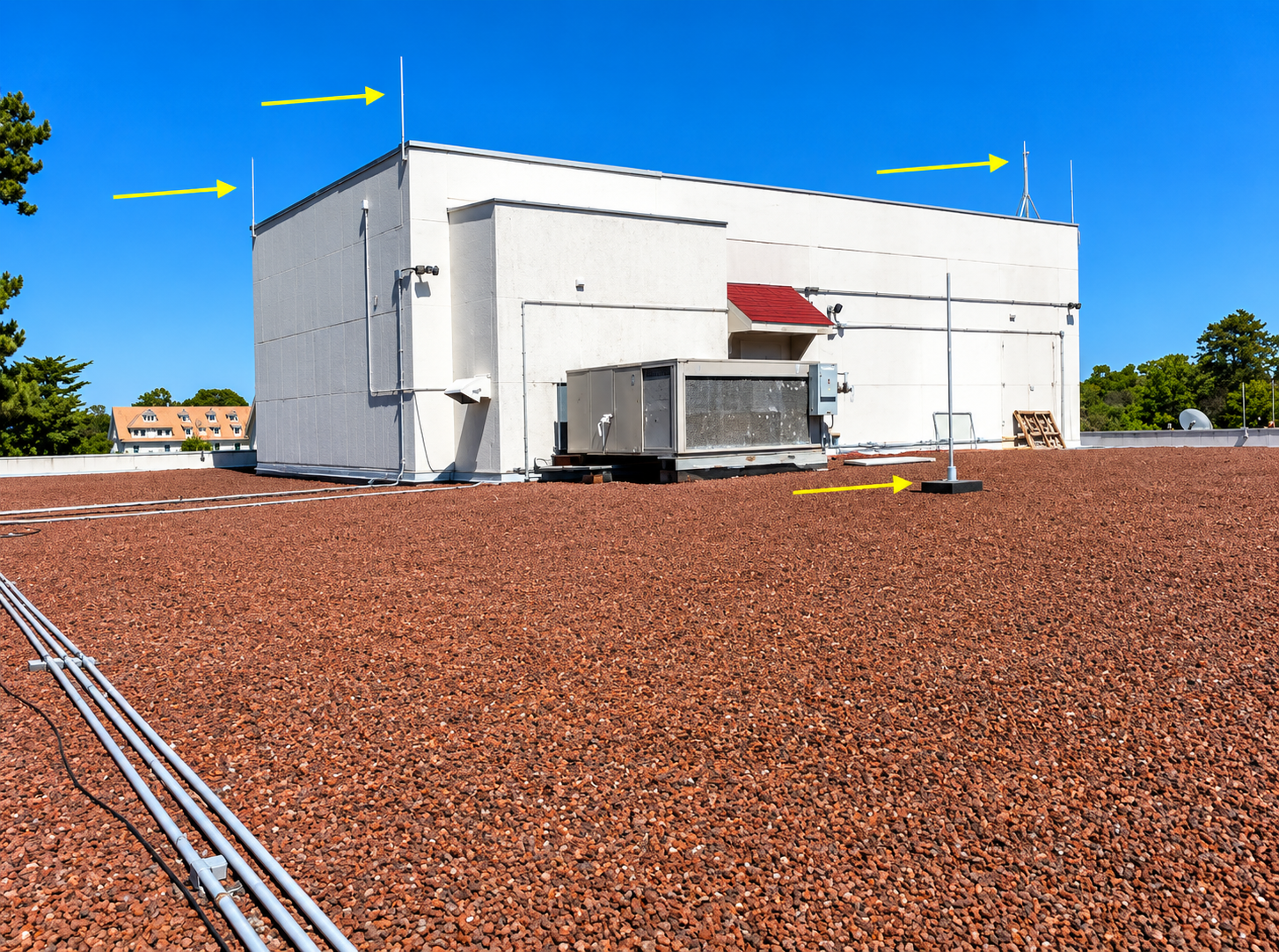
Commercial rooftops often contain wide surfaces, parapets, mechanical equipment, and sheltered corners. Gulls may use these locations for resting or nesting, while droppings can accumulate around equipment and service routes. A suitable plan may combine targeted landing deterrents with exclusion measures in selected areas. Installers should preserve drainage, equipment access, and safe working routes. Regular inspections help identify activity around newly available surfaces or equipment changes.
Solar Panels and Renewable Energy Installations
Solar panels create a distinctive maintenance challenge because birds may enter the spaces beneath the array. Nesting materials can accumulate around supports, and droppings may protect panel cleanliness. A compatible bird exclusion system can reduce access to protected areas. The system must be selected for the array design and installed without damaging panels, wiring, or mounting components. Property owners should also follow manufacturer guidance when arranging panel cleaning, inspections, and any work involving electrical equipment.
Docks, Piers, and Marinas
Waterfront properties offer exposed beams, railings, pilings, and other surfaces that gulls may use for resting. Moisture and salt can also affect the durability of deterrent materials. A customized plan may focus on selected landing surfaces while preserving access for boat owners, staff, visitors, and maintenance crews. Product selection should reflect the marine environment, and installations must not introduce hazards for people or wildlife. Food waste and discarded bait should be managed appropriately where these materials contribute to bird activity.
Warehouses, Waste Facilities, and Outdoor Dining Areas
Warehouses may have large roofs and loading structures, while waste facilities can provide recurring food sources. Restaurants and outdoor dining areas face a different concern: droppings and persistent bird activity can interfere with cleanliness and customer use. Each property requires a different balance of exclusion, landing deterrents, sanitation practices, and ongoing monitoring. For example, a restaurant may benefit from addressing nearby resting surfaces and improving waste handling. A waste facility may need a broader plan that considers both bird access and the availability of food.
Common Misconceptions About Seagull Control
One Deterrent Can Protect an Entire Property
A single product rarely addresses every landing and nesting opportunity on a complex site. Different surfaces and behaviors may require different methods. A customized plan reduces the risk of leaving obvious gaps in coverage.
Scaring Birds Away Solves the Problem Permanently
Birds may return if the original conditions remain attractive. Repeated disturbance without addressing landing surfaces, food sources, or nesting access may provide only temporary relief. Long-term management focuses on making vulnerable areas less suitable and reviewing the results over time.
All Bird Deterrents Are Humane and Safe
A product is not automatically humane simply because it is marketed as a deterrent. Poor installation, unsuitable materials, and neglected equipment can create hazards. Property owners should ask how the proposed method prevents injury, how it will be maintained, and whether it complies with applicable wildlife protections.
Installing Deterrents Means No Further Maintenance Is Needed
Outdoor systems are exposed to weather, building changes, and continued bird activity. Periodic inspection is necessary to identify damage and determine whether the plan still matches the site's needs. Maintenance does not necessarily mean frequent intervention, but it should be included in the property's management plan.
Are Customized Seagull Control Systems Humane and Legal?
Humane seagull control aims to discourage unwanted bird activity without injuring or unnecessarily disturbing wildlife. Properly selected physical deterrents and exclusion systems can help achieve that objective when designed, installed, and maintained responsibly.
However, legal requirements vary by location and species. In the United States, certain migratory birds are protected under federal law, including provisions that may restrict activities involving protected gull species, their nests, or eggs. State and local rules may also apply.
In Canada, migratory bird protections can apply under federal legislation and related regulations. The precise requirements depend on the species, activity, location, and circumstances.
Property owners should confirm the applicable requirements before removing nests, disturbing eggs, trapping birds, or undertaking exclusion work that could affect active nesting. A qualified professional can help identify the relevant considerations, but specialized advice or authorization from the appropriate wildlife authority may be necessary.
Humane design also means considering the surrounding environment. Deterrents should not create entanglement risks, obstruct essential access, or unnecessarily affect non-target wildlife.
How to Choose the Right Professional Seagull Control Provider
Choosing a provider involves more than comparing products or installation prices. The quality of the assessment and the suitability of the proposed plan are equally important.
Before approving a project, ask whether the provider:
Conducts a property-specific assessment rather than recommending the same product for every site.
Explains why each proposed deterrent is suitable for the identified bird activity.
Considers wildlife protection requirements and active nesting.
Uses materials appropriate for the building, climate, and exposure conditions.
Accounts for roof warranties, solar equipment, drainage, and maintenance access.
Explains what inspections and maintenance may be needed.
Provides a clear scope of work and realistic expectations about results.
A reliable provider should be able to explain the reasoning behind the proposed design. Property owners should understand which areas will be protected, what limitations remain, and how success will be evaluated.
Seagull Control Systems® provides customized, humane seagull deterrent solutions for commercial and residential properties across the United States and Canada. With more than 20 years of specialized experience, the company addresses bird activity across a range of environments, including rooftops, solar panels, warehouses, docks, piers, and other affected properties.
Conclusion
A customized seagull control system is a property-specific approach to reducing unwanted landing, roosting, and nesting activity. It combines an understanding of bird behavior with suitable deterrent methods, careful installation, and ongoing evaluation.
The process begins with identifying where gulls gather and what attracts them. Professionals then select appropriate measures for the affected surfaces, install the system with attention to safety and building requirements, and monitor the results to identify gaps or maintenance needs.
The most effective approach is rarely about installing as many deterrents as possible. It is about choosing the right methods for the right locations, managing avoidable attractants, and maintaining a humane, legally compliant plan.
For property owners dealing with recurring droppings, nesting materials, or persistent bird activity, a professional assessment provides a practical starting point. A well-designed system can help protect buildings and equipment, improve the usability of outdoor spaces, and reduce the need to repeatedly address the same problems.
Frequently Asked Questions
Question 1: What is the most effective way to keep seagulls off commercial roofs?
Answer: The most effective approach depends on roof design, bird behavior, and available landing areas. A professional assessment may recommend bird spikes, wire systems, targeted exclusion, or a combination of methods, supported by appropriate waste management and routine inspections.
Question 2: How do professional seagull deterrent systems prevent nesting and roosting?
Answer: Professional systems make selected areas less suitable for landing or nesting. Depending on the site, they may use physical barriers, landing deterrents, or exclusion measures. Their effectiveness depends on proper coverage, installation quality, and management of nearby attractants.
Question 3: Are seagull deterrent systems safe, humane, and legal in the USA and Canada?
Answer: They can be humane and legally compliant when suitable methods are installed and maintained correctly. However, bird protections vary by species, jurisdiction, and activity. Property owners should check applicable requirements before disturbing birds, active nests, or eggs.
Question 4: How can seagulls damage commercial roofs, HVAC equipment, and building surfaces?
Answer: Bird droppings can stain surfaces and contribute to recurring cleaning requirements. Nesting materials may obstruct drainage or accumulate near equipment, while persistent bird activity can increase maintenance demands. The actual risks depend on the building and the extent of the activity.
Question 5: How can property owners protect solar panels from seagull damage and droppings?
Answer: Purpose-designed bird barriers can restrict access to suitable nesting spaces beneath solar panels. Owners should choose systems compatible with the array, mounting structure, ventilation, and drainage requirements. Professional installation can help avoid damage to panels and electrical components.
Question 6: What are the best seagull control solutions for docks, piers, marinas, and boats?
Answer: Suitable options depend on the structure, exposure to salt and moisture, and the locations gulls use for resting. Targeted landing deterrents or carefully designed exclusion methods may help. Installations should preserve safe access and avoid creating hazards for people or wildlife.
Question 7: How long do professional seagull deterrent systems typically last?
Answer: Service life varies according to product quality, installation, weather exposure, corrosion, and maintenance. Systems in harsh waterfront environments may experience different wear from those on sheltered buildings. Regular inspections help identify deterioration before it compromises performance.
Question 8: Can professional seagull control prevent birds from returning to the same property?
Answer: A well-designed system can reduce the attractiveness or accessibility of protected areas, but permanent prevention cannot be guaranteed. Birds may use nearby surfaces or return if food and nesting opportunities remain. Monitoring and adjustments help address changing activity.
Question 9: How much does professional seagull control cost for a commercial or residential property?
Answer: Costs depend on property size, roof or structure complexity, the deterrents required, access conditions, installation difficulty, and maintenance needs. A site assessment helps establish the scope of work and provides a more meaningful estimate than a general price per property.
Question 10: How does a professional seagull site assessment and customized deterrent plan work?
Answer: A professional evaluates bird activity, vulnerable surfaces, food sources, nesting locations, structural conditions, and maintenance requirements. The provider then recommends suitable deterrents, explains installation considerations, and outlines how results will be monitored and maintained.
