

Introduction
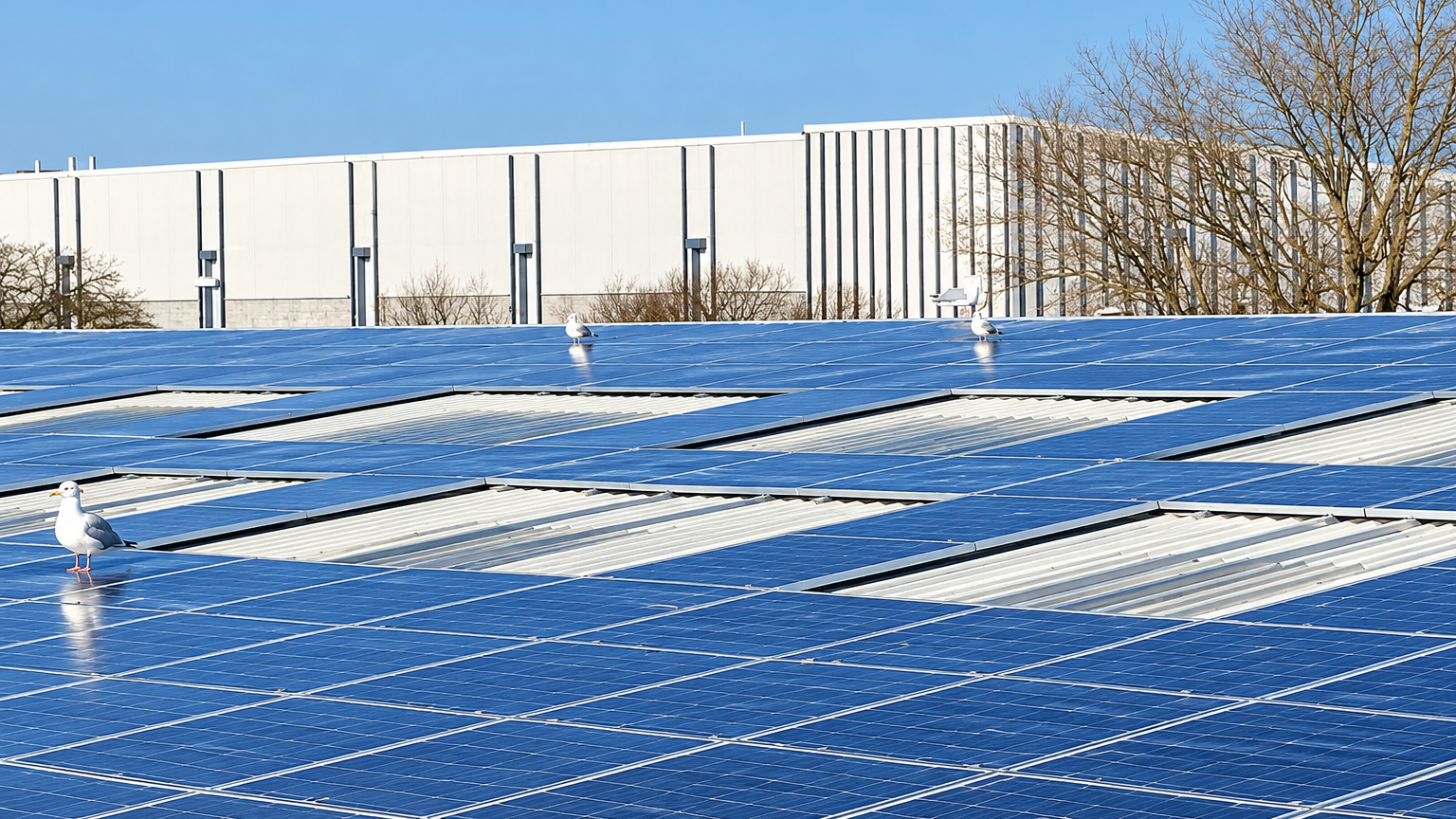
Rooftop solar panels help property owners generate electricity, manage energy expenses, and make better use of available roof space. However, solar installations also create sheltered areas where seagulls and other birds may perch, roost, and attempt to nest. When bird activity becomes frequent, it can introduce maintenance challenges that affect the roof, solar equipment, drainage systems, and the surrounding property.
Seagull control is an important part of protecting buildings with rooftop solar panels because bird droppings, nesting materials, and repeated activity can interfere with routine maintenance and create avoidable cleaning problems. Droppings may accumulate on panel surfaces, while nesting debris can collect around mounting hardware, cable routes, and other rooftop features. In some cases, aggressive birds defending nests can also create safety concerns for maintenance workers.
The challenge is not simply to keep birds away for a few days. Property owners need a long-term approach that discourages unwanted nesting and roosting without damaging solar equipment or harming wildlife.
Professional seagull deterrent systems can help address these concerns through a site-specific combination of physical barriers, bird deterrents, and ongoing maintenance. Understanding why seagulls gather around solar installations, what problems they can cause, and how humane bird control works helps property owners make informed decisions.
Why Seagulls Are Attracted to Rooftop Solar Panels
Solar Arrays Create Sheltered Spaces
Solar panels are typically installed above the roof surface using mounting structures. Depending on the installation design, the resulting gaps may provide sheltered areas that appeal to birds seeking protection from wind and weather.
Seagulls may use these spaces to rest, investigate nesting locations, or shelter their young. Flat and low-slope commercial roofs can be especially attractive when they also provide open areas for landing and easy access to nearby food sources.
Not every solar installation will experience a bird problem. The likelihood of recurring activity depends on factors such as the local gull population, building location, roof design, nearby nesting colonies, food availability, and existing bird activity.
Rooftops Provide Elevated Resting and Nesting Areas
Seagulls naturally use elevated locations to rest and observe their surroundings. Large warehouses, apartment buildings, shopping centers, industrial facilities, and commercial properties can offer broad, relatively undisturbed surfaces.
Once birds begin using a rooftop regularly, repeated visits can establish a pattern. Nesting materials may accumulate, droppings can build up, and the same areas may attract birds season after season.
A solar installation can become part of this pattern when the space beneath or around the panels offers suitable shelter.
Nearby Food Sources Increase Bird Activity
Buildings near restaurants, waste facilities, marinas, fishing areas, waterfronts, and open waste containers may experience greater gull activity. Birds attracted to these food sources can also use nearby rooftops as resting places.
For this reason, solar panel bird protection should consider the entire property rather than the panels alone. Waste management practices, access to food, roof features, and nearby bird habitats can all influence the effectiveness of a deterrent plan.
How Seagulls Can Affect Rooftop Solar Installations
Bird Droppings Can Reduce Panel Cleanliness
Seagull droppings can accumulate on solar glass, frames, mounting structures, and surrounding roof surfaces. The deposits may obstruct portions of the panel surface and, depending on their location and extent, interfere with the sunlight reaching photovoltaic cells.
The actual effect on electricity production varies. A small deposit will not necessarily cause a noticeable reduction in output, but persistent or concentrated soiling can contribute to performance losses and make cleaning more frequent.
Droppings can also dry and become difficult to remove. Improper cleaning methods, abrasive tools, or unsuitable chemicals may damage panel surfaces or compromise manufacturer-approved cleaning practices.
Property owners should follow the solar manufacturer's maintenance recommendations rather than assume that every panel needs the same cleaning schedule.
Nesting Materials Can Obstruct Rooftop Components
Seagulls may gather twigs, grass, feathers, and other materials when attempting to establish nests. These materials can collect beneath panels or around roof penetrations and equipment.
Depending on the roof layout, nesting debris may obstruct drainage routes, interfere with access to equipment, or complicate inspection and repair work. Blocked drainage is particularly concerning because standing water and poor water movement can expose roof systems to additional maintenance problems.
Nesting debris should not be removed without checking applicable wildlife regulations, especially during breeding season. Some nests, eggs, or birds may be legally protected.
Bird Activity Can Complicate Solar Maintenance
Solar installations require periodic inspection, cleaning when appropriate, and occasional electrical or mechanical servicing. Bird droppings and nesting activity can make these tasks more difficult.
Technicians may need additional time to inspect affected areas, clean contaminated surfaces, or work around active nests. Aggressive gulls defending nesting sites can also make access hazardous.
Preventing recurring nesting and roosting can help maintain safer working conditions and reduce avoidable disruptions during scheduled maintenance.
Droppings Can Affect Roofs and Building Surfaces
Bird droppings contain organic material and can leave persistent deposits on roofing membranes, metal surfaces, flashing, walkways, and rooftop equipment. Repeated accumulation can create cleaning demands and affect the appearance of the property.
The severity of any material deterioration depends on the surface, environmental exposure, duration of contamination, and maintenance practices. It would be inaccurate to assume that droppings will automatically damage every roofing material.
Still, regular inspection and timely, appropriate cleaning are sensible preventive measures, particularly where bird activity is concentrated.
Why Seagull Control Matters for Solar Panel Performance
Keeping Panels Clean Supports Proper Operation
Solar panels need access to sunlight to generate electricity. Dust, pollen, leaves, and bird droppings can all contribute to surface soiling, although the impact differs according to the type and distribution of the material.
Seagull control addresses one potential source of recurring contamination. By discouraging birds from repeatedly occupying the array, a suitable deterrent system may reduce the amount of new debris reaching the panels.
Deterrents do not eliminate the need for solar maintenance. Property owners should continue to monitor energy production, follow cleaning recommendations, and investigate unexpected performance changes.
Preventing Nesting Helps Protect Access and Equipment
Solar arrays include more than glass panels. They may also contain mounting rails, wiring, connectors, junction boxes, inverters, and related electrical equipment.
Birds and their nesting materials can complicate access to these components. While gull activity does not automatically indicate electrical damage, accumulated debris and difficult-to-reach areas can make inspection less convenient.
A properly planned bird deterrent system should account for these components and leave essential equipment accessible for qualified technicians.
Reducing Recurring Maintenance Disruptions
A rooftop with persistent bird activity may require repeated cleaning, nest assessments, and additional inspections. Each visit requires coordination, especially at large commercial or industrial facilities.
Long-term seagull control aims to reduce recurring pressure on the property instead of treating every new accumulation as an isolated incident.
The practical benefit is better maintenance planning. Property managers can combine bird activity monitoring with their existing roof and solar inspection schedules.
Common Signs That a Solar Roof Needs Bird Control
Bird problems often become easier to address when identified early. Property owners and facility managers should look for patterns rather than wait for a serious accumulation.
Common warning signs include:
Frequent seagull perching on panel frames or rooftop edges.
Repeated droppings on panels, walkways, and nearby equipment.
Twigs, grass, feathers, or other nesting materials beneath the array.
Birds repeatedly returning to the same sheltered sections of the roof.
Gulls defending particular rooftop areas during breeding season.
Debris accumulating near roof drains or drainage channels.
Increasing difficulty keeping solar equipment and surrounding surfaces clean.
A single gull landing on a roof does not necessarily require a professional deterrent system. Persistent activity, evidence of nesting, or repeated maintenance problems provide stronger reasons to arrange an assessment.
Photographs taken from a safe, authorized location can help document activity over time. Workers should not climb onto a roof or approach an active nest simply to collect evidence.
The Most Effective Humane Seagull Control Methods for Solar Roofs
Physical Bird Barriers
Physical barriers can help prevent birds from accessing selected areas beneath or around solar panels. Depending on the array design, professionally selected mesh or purpose-designed solar panel bird exclusion products may close suitable entry points.
The goal is to discourage birds from entering sheltered spaces while preserving appropriate ventilation, drainage, equipment access, and manufacturer requirements.
Installation must account for the panel mounting system and roof materials. Poorly fitted barriers can interfere with maintenance or create new problems, so compatibility and correct installation matter.
Rooftop Bird Deterrents
Bird deterrents can discourage seagulls from using specific perching or landing areas. The appropriate system depends on the roof's physical features, the level of bird activity, and the locations where gulls congregate.
Some properties benefit from targeted deterrents along roof edges, parapets, ledges, or other preferred landing points. Others require a broader plan that combines several methods.
A deterrent should not create an entanglement risk, injure birds, or obstruct solar equipment. Humane design and appropriate placement are essential.
Habitat and Food-Source Management
Physical deterrents work best when the surrounding environment does not continue attracting large numbers of birds unnecessarily.
Property managers can improve their approach by securing waste containers, cleaning outdoor dining areas, managing food waste, and addressing accessible food sources. Where practical, they should also review standing water, sheltered nesting opportunities, and rooftop access points.
These measures will not remove every natural attraction, but they can help reduce the conditions encouraging repeated visits.
Integrated Bird Management
For many commercial buildings, the most practical approach combines multiple methods. This is often described as integrated bird management: assessing the causes of bird activity and selecting compatible measures to address them.
For a solar-equipped warehouse, a plan might include exclusion barriers beneath suitable panel sections, deterrents along preferred landing areas, better waste management, and scheduled inspections.
A different building near a marina or coastal nesting colony may require a different combination. The best approach is based on observed activity and site conditions, not on installing the same product everywhere.
Why Professional Seagull Control Is Different From Temporary Fixes
Identify the Actual Source of the Problem
A professional assessment examines where birds land, where they enter sheltered spaces, whether nesting is occurring, and what environmental conditions encourage repeated visits.
This information helps distinguish between a perching problem, an active nesting issue, and a broader property-wide attraction.
Without that distinction, a property owner might install a deterrent in one location while leaving the birds' preferred resting or nesting area untouched.
Protect Solar Equipment During Installation
Solar arrays can include delicate glass surfaces, electrical connections, mounting hardware, and waterproof roof penetrations. Installing bird-control equipment without understanding these systems can create unnecessary risks.
A suitable installation plan should avoid compromising the roof membrane, interfering with electrical components, restricting ventilation, or obstructing maintenance access.
Property managers should confirm that the installer understands both bird deterrence and the requirements of rooftop solar systems. Coordination with the solar installer or a qualified roofing professional may be necessary for certain installations.
Build a Long-Trust Maintenance Plan
Even a well-designed deterrent system needs periodic inspection. Weather, loose fittings, roof repairs, changes to the solar array, and new bird activity can affect its performance over time.
A maintenance plan should identify which areas need inspection, how often checks are appropriate, and what should trigger corrective work. The schedule will depend on local conditions and the system installed.
Professional seagull control is not a guarantee that birds will never return. It is a structured approach to reducing unwanted activity and responding when conditions change.
Step-by-Step Guide to Protecting a Rooftop Solar System
Property owners can use the following process to organize an effective bird-control strategy.
Step 1: Document Bird Activity
Record where seagulls gather, when activity is most noticeable, and whether the birds are simply resting or showing signs of nesting.
Check maintenance reports for repeated droppings, cleaning requirements, and access difficulties. Avoid disturbing birds or entering restricted roof areas.
Step 2: Inspect the Solar Array and Roof
Arrange a safe inspection by qualified personnel. The inspection should consider panel gaps, mounting structures, roof edges, drainage routes, equipment locations, and existing bird-control measures.
Active nests must be handled according to applicable wildlife laws and professional guidance.
Step 3: Identify Contributing Conditions
Review nearby food sources, unsecured waste, sheltered roof spaces, and recurring landing locations. Consider whether bird activity extends beyond the solar panels to other parts of the building.
This wider assessment can reveal why a localized deterrent might not be sufficient.
Step 4: Select Compatible Humane Deterrents
Choose methods suited to the roof design, bird behavior, solar installation, and local regulations.
Confirm that proposed products will not obstruct drainage, damage roofing materials, interfere with equipment, or expose birds to avoidable injury.
Step 5: Install and Verify the System
Installation should follow product specifications and applicable safety requirements. Afterward, inspect the work to confirm that barriers are secure, access points are addressed, and essential solar components remain accessible.
Step 6: Monitor Results and Adjust
Continue observing bird activity and checking for fresh nesting materials or droppings. Compare maintenance records and solar performance data where available.
If birds continue gathering, investigate the cause rather than simply adding more deterrents. A change in placement, an overlooked access point, or an untreated food source may explain the problem.
Common Misconceptions About Solar Panel Bird Protection
All Seagulls Can Be Kept Away With One Product
No single deterrent is appropriate for every roof. A product that helps prevent access beneath a panel may not address birds perching along a parapet or nesting elsewhere on the building.
Effective control depends on the behavior being addressed and the design of the property.
Bird Deterrents Eliminate All Cleaning Requirements
Deterrents can help reduce recurring contamination, but they cannot stop dust, pollen, leaves, and all other forms of soiling. Existing droppings may also remain after birds stop using the area.
Solar panels still need appropriate inspection and cleaning based on manufacturer recommendations and actual conditions.
Every Nest Can Be Removed Immediately
Wildlife protection rules vary by species, location, and circumstances. In the United States and Canada, certain gull species and nesting situations may be protected under federal, state, provincial, or territorial law.
Property owners should confirm the applicable requirements before disturbing nests, eggs, or birds. An experienced professional can help determine the appropriate next steps.
DIY Deterrents Are Always Cheaper in the Long Run
A do-it-yourself product may have a lower initial price, but poor placement, unsuitable materials, or installation errors can create additional work.
The total cost should include compatibility with the solar array, installation safety, maintenance, durability, and the likelihood that the chosen method will address the actual bird behavior.
Choosing a Seagull Control Provider for a Solar-Equipped Building
Selecting a qualified provider involves more than comparing product prices. Property owners should ask how the proposed system will address their specific roof conditions and what safeguards will protect the solar installation.
Useful questions include:
Does the provider have experience with rooftop solar arrays and persistent gull activity?
Will the assessment identify nesting locations, access points, and preferred perching areas?
Are the proposed deterrents humane and safe for the building?
How will installation protect the roof membrane, panels, wiring, and drainage?
What wildlife regulations apply to the property and any active nests?
What inspections or maintenance will be required after installation?
How will the provider evaluate continuing bird activity and make adjustments?
Seagull Control Systems® provides customized, humane bird deterrent solutions for commercial and residential properties across the United States and Canada. With more than 20 years of specialized experience, the company addresses bird activity affecting rooftops, solar panels, warehouses, docks, piers, waste facilities, and outdoor spaces.
For buildings with solar arrays, a site-specific approach is particularly valuable because each installation has different access points, roof materials, mounting configurations, and maintenance requirements. The objective is to discourage unwanted bird activity while protecting the building, supporting responsible wildlife management, and preserving access to essential equipment.
Conclusion
Seagull control plays a valuable role in maintaining buildings with rooftop solar panels. Persistent bird activity can contribute to panel soiling, nesting debris, drainage concerns, difficult maintenance access, and recurring cleaning requirements. Although the severity varies from one property to another, these issues deserve attention when gulls repeatedly occupy the roof.
The most effective approach begins with understanding why birds are attracted to the property. From there, property owners can combine compatible exclusion barriers, targeted deterrents, improved waste management, and regular inspections to reduce unwanted activity.
Humane bird control should protect the solar installation without creating hazards for wildlife or interfering with the building's normal operation. Professional assessment, careful installation, and ongoing monitoring help make that goal practical.
For property managers, the key is to treat bird management as part of the overall rooftop maintenance plan rather than waiting until nesting or contamination becomes difficult to manage. Early action can help reduce recurring problems and keep solar equipment easier to inspect, maintain, and clean.
Frequently Asked Questions
1. Why is seagull control important for buildings with rooftop solar panels?
Seagull control helps reduce recurring droppings, nesting debris, and unwanted bird activity around solar panels. It can also make rooftop inspections and maintenance easier while helping protect drainage routes, roofing materials, and access to solar equipment.
2. Can seagull droppings reduce solar panel efficiency?
Yes. Bird droppings can block sunlight from reaching portions of a panel, potentially reducing energy production depending on the location and extent of the contamination. The actual effect varies, so property owners should monitor system performance and follow appropriate cleaning recommendations.
3. How do you keep seagulls from nesting under solar panels?
Suitable solar panel bird barriers can restrict access to sheltered gaps beneath an array. Depending on the site, additional deterrents and environmental management may be necessary. Active nests should not be disturbed until applicable wildlife protection requirements have been checked.
4. What is the best humane bird deterrent for rooftop solar panels?
The best option depends on the array design, bird behavior, roof layout, and local conditions. Purpose-designed exclusion barriers can help prevent access beneath panels, while targeted deterrents may address nearby perching areas. A site assessment helps determine the appropriate combination.
5. Can bird deterrents damage solar panels or roofing?
Poorly selected or improperly installed deterrents can interfere with panel hardware, roof membranes, drainage, or maintenance access. Compatible products installed according to their specifications help reduce these risks. Solar and roofing requirements should be reviewed before installation.
6. How often should solar panels be cleaned when seagulls are present?
There is no universal cleaning interval. The appropriate schedule depends on droppings, environmental conditions, panel performance, and manufacturer guidance. Regular monitoring helps property owners identify when cleaning is necessary without relying on an arbitrary timetable.
7. Are seagull nests protected by law in the USA and Canada?
Some gull species, nests, eggs, and breeding activities are protected under applicable wildlife laws. Requirements differ by jurisdiction and circumstance. Property owners should verify federal and local rules before removing nests or disturbing birds, and obtain qualified guidance when necessary.
8. Can professional seagull control stop birds from returning?
A well-planned deterrent system can reduce recurring bird activity, but no system can guarantee that gulls will never return. Results depend on bird behavior, surrounding food sources, installation quality, maintenance, and whether the plan addresses all important access and nesting areas.
9. How much does professional seagull control for solar panels cost?
Costs depend on the size and accessibility of the roof, the number of affected areas, the type of deterrents required, installation complexity, and ongoing maintenance needs. A site assessment provides a more useful estimate than a general price because solar installations vary considerably.
10. When should a property owner arrange a professional seagull assessment?
An assessment is worth considering when gulls repeatedly perch or nest around solar panels, droppings accumulate quickly, nesting materials appear beneath the array, or maintenance becomes difficult. Early evaluation can help identify suitable humane measures before the problem becomes more extensive.
