

Introduction
Seagulls can turn a well-maintained property into a recurring maintenance problem. They gather on rooftops, nest around solar panels, perch on dock railings, and leave droppings on walkways, outdoor dining areas, and equipment. Once birds establish a regular resting or nesting location, simply cleaning the affected area may provide only temporary relief.
For property owners, one of the most important questions is how long a professional seagull deterrent system will last. The answer depends on the type of system, the quality of its installation, local weather conditions, the amount of bird activity, and how consistently the equipment is inspected and maintained.
Professional seagull deterrent systems can provide long-term protection, but their service life varies by technology, installation conditions, and maintenance requirements. Physical deterrents such as bird spikes and properly installed netting may remain functional for years, while electronic, tensioned, and other specialized systems may require periodic adjustments or replacement of individual components.
Understanding these differences helps commercial property managers, homeowners, marina operators, and facility owners choose a solution based on long-term performance rather than the initial installation price alone.
What Determines the Lifespan of a Professional Seagull Deterrent System?
There is no single lifespan that applies to every bird deterrent. A system installed beneath a sheltered roof overhang faces different conditions from one exposed to saltwater spray, strong coastal winds, and direct sunlight.
Several factors influence how long a professional seagull control system remains effective.
1. The Type of Deterrent System
Different deterrents rely on different materials and operating principles. Their service lives depend on the components used and the conditions in which they operate.
Bird spikes: Properly selected and securely installed spikes can remain serviceable for many years. Their lifespan depends on material quality, corrosion resistance, attachment methods, and exposure to weather.
Bird netting: Durable netting can provide long-term exclusion when correctly tensioned and supported. UV exposure, abrasion, damaged fixings, and accumulated debris can shorten its useful life.
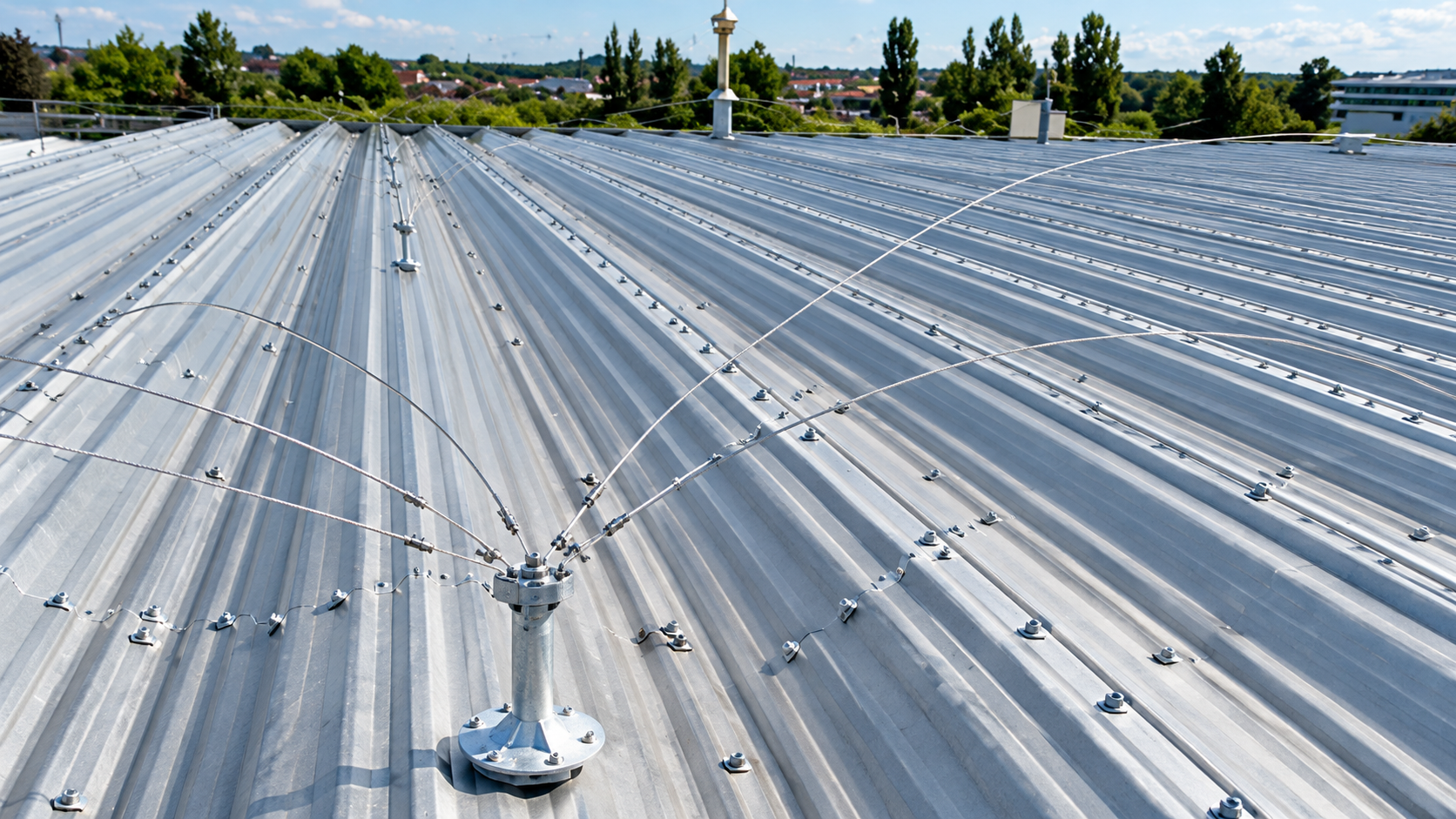
Wire and tensioned systems: These systems can remain effective for years if their supports, wires, and tensioning components stay secure. Corrosion, loosening, and physical damage may require repairs.
Electric bird deterrent systems: Specialized low-voltage systems require inspection of electrical connections, insulators, power supplies, and control equipment. Individual components may need replacement as they wear or fail.
Visual and acoustic deterrents: Their physical components may continue working for some time, but effectiveness can decline if birds become accustomed to predictable signals. Their practical service life depends on bird behavior as well as equipment condition.
A system's physical durability and its ability to deter seagulls are not necessarily the same. Equipment can remain intact while becoming less effective at preventing birds from returning.
2. Installation Quality
Even durable materials can fail prematurely if installed incorrectly.
A poorly secured spike strip may loosen during high winds. Netting with gaps around pipes or roof edges can allow birds to enter protected spaces. An improperly tensioned wire system may sag and create new landing opportunities.
Professional installation should account for the building's shape, the surfaces available for attachment, drainage requirements, access points, and the behavior of the bird species present.
Correct installation also helps prevent avoidable damage to roofing membranes, solar panel structures, gutters, and other building components.
3. Weather and Environmental Exposure
Weather is one of the biggest influences on the lifespan of outdoor seagull deterrents.
Properties in coastal areas of the United States and Canada often face a combination of salt spray, wind, moisture, and strong sunlight. These conditions can accelerate corrosion, degrade certain plastics, weaken exposed materials, and loosen fasteners.
Other environmental factors include:
Heavy rain and standing water.
Snow accumulation and freeze-thaw cycles.
Extreme summer temperatures.
Wind-driven debris and airborne sand.
Industrial pollution and chemical exposure.
Contact with cleaning products or maintenance equipment.
Materials should be selected for the property's actual environment. For example, corrosion-resistant components are especially important near marinas and docks.
4. Seagull Population and Pressure
A property with occasional seagull visits may require a different system from a distribution facility where hundreds of birds gather regularly.
Heavy bird pressure can expose weaknesses more quickly. Birds may repeatedly test gaps in netting, use nearby ledges as alternative perching points, or establish nesting sites close to protected areas.
A customized plan should consider the number of birds, the location of nesting and roosting activity, nearby food sources, and alternative landing locations. Addressing these conditions helps improve long-term results.
How Long Do Different Seagull Deterrent Systems Last?
The following comparison provides general planning guidance rather than guaranteed service-life estimates. Actual performance depends on product specifications, installation methods, exposure, and maintenance.
Bird Spikes
Bird spikes discourage seagulls from landing on narrow ledges, roof edges, signs, parapets, and selected structural surfaces.
Systems made from corrosion-resistant materials can remain serviceable for many years when installed correctly. However, the adhesive or mechanical fasteners holding them in place may need attention before the spikes themselves show significant wear.
Inspect spike systems for loose sections, corrosion, broken points, accumulated nesting material, and gaps between strips. Spikes should be configured to discourage landing without creating unnecessary hazards for birds or other wildlife.
Spikes work best on suitable landing surfaces. They do not automatically prevent birds from nesting in open spaces or accessing other parts of a building.
Bird Netting
Bird netting creates a physical barrier that prevents seagulls from entering protected areas. It is often used around rooftop equipment, enclosed structures, loading areas, and selected spaces beneath solar installations.
High-quality netting may provide years of service, but the complete installation must remain intact. Damaged mesh, loose perimeter cables, failed anchors, or gaps can compromise exclusion even if most of the netting remains in good condition.
Routine inspections should look for sagging, tears, loose fittings, trapped debris, and openings along the edges. Netting must be installed and maintained so birds cannot become entangled or trapped.
Wire and Tensioned Deterrents
Wire systems discourage birds from landing comfortably on suitable ledges and architectural features. Their performance depends on correct spacing, tension, and secure attachment.
The wires themselves may last for years, but supports, springs, fasteners, and tensioning components can require adjustment or replacement.
These systems deserve closer attention in exposed coastal locations, where wind and corrosion can affect their components. A wire that has become loose or displaced may no longer provide the intended deterrent effect.
Electric Bird Deterrent Systems
Professionally designed electric bird deterrents use specialized components to discourage birds from landing on selected surfaces. They require more than a simple visual inspection because electrical and control components must continue operating correctly.
Service life depends on the system's specifications, environmental protection, power supply, installation quality, and maintenance schedule.
Inspections should follow the manufacturer's instructions and cover connections, insulators, wiring, control equipment, and system operation. Any electrical repairs should be performed by a qualified technician familiar with the equipment.
Visual and Acoustic Deterrents
Reflective materials, moving devices, and sound-based deterrents may be useful in particular situations. However, their effectiveness can decline when birds learn that a repeated stimulus poses no real threat.
This distinction matters when evaluating lifespan. A device might remain physically intact for years without consistently preventing seagulls from returning.
Where these methods are appropriate, their placement and operating patterns should be reviewed regularly. Combining them with suitable physical exclusion measures may produce more dependable results than relying on a predictable visual or acoustic signal alone.
What Is the Difference Between Equipment Lifespan and Effective Protection?
A common misconception is that a deterrent system stops working only when a component breaks. In practice, long-term performance involves two separate questions: Is the equipment still in good condition, and is it still preventing the unwanted bird activity?
Physical Lifespan
Physical lifespan describes how long the system's materials and components remain serviceable.
A stainless-steel spike strip may show little deterioration while the adhesive securing it gradually fails. Netting may look intact while a damaged anchor compromises its stability. An electronic system may appear undamaged even though its power supply has stopped functioning.
For this reason, checking only the visible deterrent material is not enough.
Functional Lifespan
Functional lifespan describes how long a system continues to achieve its intended purpose.
A deterrent can lose effectiveness because of:
New landing locations outside the protected area.
Gaps created by building alterations or equipment installation.
Nearby food waste or other attractive resources.
Damage that has gone unnoticed.
Poorly maintained or malfunctioning components.
If seagulls return despite apparently intact equipment, the correct response is to investigate the cause rather than automatically replace the entire system.
A professional reassessment may identify a small repair, a coverage gap, or the need for a different combination of deterrents.
How to Extend the Life of a Seagull Deterrent System
A well-maintained system is generally better positioned to deliver reliable long-term protection. Maintenance does not eliminate normal wear, but it can help identify problems before they become expensive failures.
Step 1: Schedule Routine Inspections
Inspect deterrents according to the manufacturer's recommendations and the property's exposure to weather and bird activity.
For many facilities, a practical starting point is to review the system at least seasonally, with additional checks after severe storms or when bird activity changes noticeably. High-exposure coastal sites or heavily used commercial facilities may need more frequent inspections.
Look for loose fixings, corrosion, damaged mesh, displaced wires, broken components, and evidence of new nesting or roosting activity.
Step 2: Keep the System Clear of Debris
Leaves, branches, litter, and other debris can interfere with the operation of some deterrents. Accumulated material may conceal damage, place extra strain on netting, obstruct drainage, or create new nesting opportunities.
Cleaning should follow the system manufacturer's guidance. Avoid harsh chemicals, abrasive tools, or pressure washing methods that could damage components or loosen attachments.
Step 3: Address Small Problems Promptly
A loose fastener or small opening may seem insignificant, but it can undermine the protection provided by an entire section.
Repair damaged areas before birds establish a regular route into the space. Replacement parts should meet the original system's specifications rather than being improvised from unsuitable materials.
For systems involving electrical components, use an appropriately qualified professional.
Step 4: Review Changes to the Property
Building maintenance can unintentionally create new bird access points. A rooftop HVAC replacement, new cable run, solar panel upgrade, or repair to a parapet may change the conditions around an existing deterrent.
After major work, inspect the affected areas to confirm that the system still provides appropriate coverage.
This is especially relevant for solar installations, where contractors may add wiring, mounting hardware, or service access routes.
Step 5: Reassess Bird Activity
If seagulls continue landing nearby, determine whether they are bypassing the protected area or using a different part of the property.
A deterrent installed on one ledge cannot prevent birds from accessing every other suitable surface. An effective response may involve extending coverage, closing an access gap, or addressing a separate nesting location.
Regular reviews help distinguish normal maintenance needs from a more fundamental change in the property's bird control requirements.
How Long Do Seagull Deterrent Systems Last on Different Properties?
The location of a system can significantly affect its maintenance requirements and expected service life.
Commercial Rooftops and Warehouses
Large roofs often contain parapets, ventilation equipment, drainage systems, and structural ledges that attract roosting birds.
Deterrents may remain functional for years, but roof access, wind exposure, and ongoing building maintenance can influence their condition. Facility managers should coordinate bird deterrent inspections with routine roof and HVAC maintenance.
Installation should preserve drainage, roof integrity, and safe access for technicians.
Solar Panels
Seagulls may perch around panel frames, nest beneath suitable structures, or leave droppings that obstruct sunlight and increase cleaning requirements.
Solar panel exclusion systems can provide long-term protection when selected for the specific installation and attached without damaging panels, wiring, or mounting hardware.
Inspection should confirm that mesh, clips, and perimeter barriers remain secure. The system should also preserve appropriate ventilation and allow authorized technicians to access the array for servicing.
A bird deterrent should not interfere with panel drainage, electrical safety, or manufacturer requirements.
Docks, Piers, and Marinas
Waterfront installations face particular challenges because saltwater exposure, moisture, wind, and frequent use can accelerate wear.
Corrosion-resistant materials and suitable attachment methods are especially important. Systems should also be chosen with marine activity, maintenance access, and the surrounding wildlife in mind.
More frequent inspections may be appropriate where salt spray and heavy weather are common.
Waste Facilities and Outdoor Dining Areas
Waste handling areas, restaurants, and outdoor seating spaces may attract seagulls because food scraps are readily available.
Deterrents can help reduce landing and roosting, but lasting results also depend on waste management, covered containers, prompt cleanup, and reducing access to food.
In these settings, maintenance teams should check whether changes in waste storage or outdoor seating layouts have created new opportunities for birds to gather.
When Should a Seagull Deterrent System Be Repaired or Replaced?
Not every sign of wear means the entire system needs replacement. In many cases, repairing a damaged section or replacing an individual component can restore performance.
Consider professional assessment when you notice:
Repeated seagull activity in previously protected areas.
Loose, missing, or corroded components.
Torn netting or gaps around the perimeter.
Wires that have sagged or lost tension.
Electrical equipment that no longer operates correctly.
Damage following storms or building work.
New nesting activity near existing deterrents.
Replacement may be appropriate when materials have deteriorated extensively, compatible parts are unavailable, repairs no longer restore reliable performance, or the system was not designed for the property's current conditions.
A professional inspection should establish whether the problem is mechanical, environmental, behavioral, or related to inadequate coverage. This avoids replacing equipment unnecessarily when a targeted repair or design adjustment would address the issue.
Are Long-Lasting Seagull Deterrent Systems Humane?
A long-lasting deterrent should discourage unwanted landing, roosting, or access without causing unnecessary harm to wildlife.
Physical exclusion systems, including properly installed netting, spikes, and wire deterrents, must be selected and maintained carefully. Poor installation can create entanglement risks, trap birds, or leave dangerous gaps. Regular inspection is essential to help prevent these outcomes.
Property owners should also consider applicable wildlife protection laws before disturbing nests, eggs, or birds. In the United States and Canada, the legal requirements depend on the species, location, activity, and relevant federal, state, provincial, or local rules. Some gull species receive legal protection, and active nests may require special consideration.
Before removing nesting material or modifying a system near an active nest, consult the appropriate wildlife authority or a qualified professional. Never assume that a bird deterrent installation automatically authorizes nest removal.
Humane bird management focuses on preventing access and reducing attractive conditions while respecting applicable wildlife protections.
How to Choose a Seagull Deterrent System for Long-Term Value
The lowest initial price does not always produce the lowest long-term cost. A system that requires frequent repairs or fails to address the main bird access points may cost more over time than a properly designed installation.
Before choosing a system, consider the following factors.
Evaluate the Site First
Identify where seagulls land, roost, nest, and access sheltered spaces. Examine the roof layout, solar panel configuration, nearby food sources, environmental exposure, and available maintenance access.
This assessment helps determine which deterrents are suitable and where they should be installed.
Compare Materials and Maintenance Requirements
Ask about material specifications, corrosion resistance, UV exposure, replacement parts, and inspection requirements. For electronic systems, clarify which components require periodic testing or servicing.
A credible recommendation should explain the limitations of the chosen system as well as its benefits.
Consider the Total Cost of Ownership
Compare the initial installation price with expected maintenance, repairs, cleaning, and replacement needs.
For example, a warehouse operator may find that a durable exclusion system is worthwhile because recurring bird activity creates additional cleaning work and disrupts normal operations. A small residential roof may need a simpler solution tailored to a limited number of landing points.
The appropriate choice depends on the property's needs, not simply on the size or price of the equipment.
Work With a Qualified Bird Control Professional
A professional assessment can identify vulnerable areas, recommend suitable materials, and establish a maintenance plan.
Seagull Control Systems® provides customized, humane deterrent solutions for residential and commercial properties across the United States and Canada. Its work covers locations such as rooftops, solar panels, docks, piers, warehouses, waste facilities, and outdoor dining areas.
With more than 20 years of specialized experience, the company focuses on matching deterrent systems to property conditions and reducing recurring problems associated with seagull nesting, roosting, and droppings.
When evaluating any provider, ask how the proposed system will be inspected, what maintenance it requires, and how performance concerns will be handled after installation.
Conclusion
Professional seagull deterrent systems can provide years of service, but their actual lifespan depends on the materials used, installation quality, environmental exposure, bird pressure, and ongoing maintenance. Physical systems may remain structurally sound for a long time, while individual components and the overall effectiveness of the installation can require attention sooner.
The most reliable way to protect a property is to select a deterrent suited to its specific conditions, inspect it regularly, repair damage promptly, and reassess the system whenever bird activity changes. Coastal properties, solar installations, warehouses, and other exposed facilities may need maintenance schedules tailored to their environments.
Long-term performance also depends on correct coverage. A durable system cannot prevent every seagull from returning if birds can simply move to an untreated ledge or access an unprotected nesting area.
For property owners, the goal should be more than buying equipment that lasts. It should be maintaining a humane, appropriately installed system that continues to address the reasons seagulls gather on the property.
Frequently Asked Questions
1. How long do professional seagull deterrent systems typically last?
Professional seagull deterrent systems can remain serviceable for years, depending on the technology, materials, installation quality, weather exposure, and maintenance. Some components may need repairs or replacement before the overall system reaches the end of its useful life.
2. Which seagull deterrent system lasts the longest?
There is no universally longest-lasting system. Corrosion-resistant spikes, durable netting, and properly installed wire systems can all provide long-term service. The best option depends on the property's layout, exposure to weather, bird activity, and maintenance requirements.
3. Do seagull deterrent systems require regular maintenance?
Yes. Inspections help identify loose fasteners, corrosion, torn netting, damaged wires, and equipment failures. Many properties benefit from seasonal inspections and additional checks after severe weather, although the appropriate schedule depends on the system and site conditions.
4. Does bad weather shorten the lifespan of bird deterrents?
It can. Salt spray, strong winds, heavy rain, freezing temperatures, and UV exposure may accelerate wear or loosen components. Choosing materials suitable for local conditions and inspecting the system after severe weather can help preserve its performance.
5. Can seagull deterrent systems stop working without visible damage?
Yes. Birds may become accustomed to predictable visual or acoustic signals, or they may discover an untreated landing area. A system can also develop hidden attachment or electrical problems. Continued bird activity should prompt an assessment of both equipment condition and deterrent effectiveness.
6. How long does bird netting last on commercial buildings?
The service life of bird netting depends on its material, UV resistance, installation quality, tension, and exposure to weather. Properly installed netting can provide years of exclusion, but damaged mesh, loose anchors, and gaps require prompt attention to maintain safe and effective protection.
7. Can seagull deterrent systems protect solar panels for several years?
Yes. Properly selected exclusion systems can protect solar panel installations over the long term when their mesh, clips, and perimeter barriers remain secure. Regular inspections should confirm that the system does not interfere with panel ventilation, wiring, drainage, or authorized maintenance access.
8. Should a seagull deterrent system be repaired or completely replaced?
Repair is often sufficient when damage is limited to a few components or sections. Replacement may be necessary when deterioration is widespread, parts are unavailable, or the system no longer suits the property. A professional assessment can help identify the most practical option.
9. Are permanent seagull deterrent systems safe for birds?
They can be humane when appropriately selected, installed, and maintained to prevent entanglement or injury. No system should be assumed safe simply because it is marketed as a deterrent. Property owners must also follow applicable wildlife laws, particularly when active nests or protected species are involved.
10. How can property owners make a seagull deterrent system last longer?
Choose materials suited to local weather, use professional installation, inspect components regularly, remove debris safely, and repair damage promptly. Review the system after building alterations or changes in bird activity, and follow the manufacturer's maintenance recommendations to support long-term performance.
