

Introduction
You have cleaned the rooftop, removed the bird droppings, washed the affected surfaces, and restored the appearance of the building. Yet, a few days later, seagulls are back on the same roof edges, parapets, ledges, or rooftop equipment.
For commercial property owners and facility managers, this can become a frustrating cycle. Cleaning teams repeatedly remove bird waste, but the same sections of the building continue attracting birds. The maintenance work gets repeated, cleaning expenses increase, and the underlying problem remains unresolved.
So, why do seagulls keep landing on the same building sections even after repeated cleaning?
The main reason is that cleaning removes the visible evidence of bird activity but does not necessarily change the conditions that attract seagulls to a location. If a rooftop continues to provide convenient landing surfaces, suitable resting areas, or access to nearby food sources, birds may have little reason to stop returning.
Seagulls can develop familiar patterns around locations they regularly use. Commercial rooftops, parapets, HVAC installations, solar panels, and other elevated structures may become established landing and roosting areas.
For warehouses, shopping centres, office buildings, industrial facilities, and property management companies, understanding this behaviour is essential. Instead of relying entirely on repeated cleaning, businesses need to identify why birds keep returning and consider appropriate commercial seagull control solutions.
This article explains why seagulls repeatedly land on the same building sections, why cleaning alone may not solve the problem, which property conditions encourage recurring bird activity, and how commercial property owners can approach long-term seagull prevention.
Why Do Seagulls Keep Returning to the Same Building Sections?
Seagulls do not necessarily choose a building section randomly every time they land. Certain environmental and structural conditions can make particular locations more attractive than others.
When birds repeatedly find suitable conditions in the same place, they may continue using it.
Here are some of the main reasons.
1. The Building Still Provides Convenient Landing Surfaces
One of the simplest explanations is that the surface remains suitable for landing.
Commercial buildings often have wide parapets, flat rooftops, roof ridges, ledges, railings, and elevated structural sections. These features can provide convenient places for seagulls to rest and observe their surroundings.
Cleaning does not change the dimensions or physical characteristics of these structures.
For example, consider a warehouse with a wide concrete parapet. A maintenance team may wash the surface every week to remove accumulated droppings. However, the parapet remains just as accessible to birds after cleaning as it was before.
As long as the landing area remains suitable, seagulls may continue returning.
2. Seagulls Become Familiar With Regular Roosting Locations
Seagulls are adaptable birds that can develop repeated patterns of using familiar locations.
If a building provides a convenient resting place, birds may return to that area repeatedly.
This behaviour can become particularly noticeable when several birds use the same rooftop section.
Seagull Control Systems explains that gulls are flocking birds and can feel safer and more comfortable when gathering in groups. Its project information also describes commercial properties where birds repeatedly used rooftops and solar panel installations as regular roosting locations.
Seagull Control SystemsSeagull Control Systems+1
This helps explain why cleaning a particular section may not stop recurring bird activity. The location itself may have already become part of the birds' familiar environment.
For more information, read Why Do Seagulls Return to the Same Roofs and Properties?.
3. Nearby Food Sources Continue Attracting Birds
Sometimes, the reason seagulls keep visiting a building is not directly related to the rooftop.
Nearby restaurants, waste storage areas, food distribution facilities, outdoor dining spaces, and waste transfer stations may provide accessible food sources.
Seagulls can use commercial rooftops as convenient resting locations between feeding opportunities.
For example, a warehouse located near a waste handling facility may experience repeated seagull activity even if its own waste management practices are well organised.
Seagull Control Systems identifies food waste as an important attraction around commercial and industrial facilities, particularly waste transfer operations.
Seagull Control SystemsSeagull Control Systems
Cleaning the rooftop does not remove food sources located elsewhere around the property.
Businesses experiencing these conditions may also benefit from reading How Can Waste Facilities Reduce Seagull Activity and Roosting?.
4. The Building Offers Suitable Nesting and Roosting Conditions
Some commercial building sections offer more than temporary resting opportunities.
Flat rooftops, sheltered corners, parapets, and areas around rooftop equipment may provide conditions that encourage repeated roosting or nesting.
Once nesting activity becomes established, the issue can become more complicated.
Birds may repeatedly use the same section, while accumulated nesting materials and droppings create additional maintenance requirements.
Property owners should therefore distinguish between occasional perching and established nesting activity before deciding how to manage the problem.
For additional information, see How to Stop Seagulls From Nesting on Commercial Rooftops.
5. Cleaning Does Not Change the Birds' Access to the Area
Another important factor is physical accessibility.
If seagulls can easily reach a rooftop or parapet, washing the surface will not prevent them from landing there again.
The birds can simply return to the same accessible area.
This is why commercial bird management needs to consider both cleanliness and physical access.
Cleaning addresses accumulated waste. A suitable deterrent system addresses the conditions that allow birds to continue landing and roosting.
Why Does Repeated Cleaning Fail to Stop Seagull Infestations?
Regular cleaning is an important part of commercial property maintenance. However, it should not be confused with a complete bird control strategy.
There are several reasons why repeated cleaning may fail to resolve persistent seagull activity.
Cleaning Removes Droppings, Not the Cause of the Problem
Bird droppings are the visible result of recurring bird activity.
When maintenance teams wash the affected surfaces, they remove accumulated waste and improve the appearance of the building.
However, the process does not necessarily address:
The availability of suitable landing surfaces.
Regular bird access to rooftops.
Nearby food sources.
Established roosting locations.
Nesting opportunities.
The surrounding building environment.
If these conditions remain unchanged, seagulls may continue using the same areas.
Birds Can Return Immediately After Cleaning
A freshly cleaned rooftop may look completely different to the maintenance team, but the physical environment remains familiar to the birds.
The parapet is still available, the roof edge remains accessible, and the nearby structures continue providing convenient landing opportunities.
This explains why some businesses experience repeated cleaning cycles without seeing a meaningful reduction in bird activity.
Cleaning Can Become an Expensive Repeated Responsibility
For large commercial properties, recurring bird waste can increase maintenance demands.
Consider a facility where seagulls regularly gather on several rooftop sections.
The maintenance team may need to coordinate repeated cleaning, inspect affected surfaces, manage waste safely, and address complaints from employees or building occupants.
Over time, the cost of repeated cleaning and maintenance can become an ongoing operational concern.
A more practical approach is to address the recurring bird activity while continuing necessary cleaning as part of regular property maintenance.
Businesses can learn more about how professional seagull deterrent systems prevent nesting and roosting.
Which Building Sections Attract Seagulls Most Frequently?
Not every part of a commercial building attracts birds in the same way. Some structures provide convenient perching surfaces, while others offer large open areas suitable for roosting.
Identifying these locations helps property managers understand why seagulls keep returning to particular sections.
1. Flat Commercial Rooftops
Gull Roof Nesting: What to Know & Do | Wild Goose Chase
Lesser black-backed gull (Larus fuscus)
Professional Seagull Control & Removal Services | EcoGuard Pest Management
9
Large flat rooftops are among the common locations where commercial seagull activity can become established.
Warehouses, factories, shopping centres, and office buildings may have extensive roof areas with relatively few obstacles.
These spaces can provide convenient landing and resting opportunities.
Seagull Control Systems identifies large flat roofs as suitable environments for seagull roosting and recommends grid wire deterrents for protecting these open areas.
Seagull Control SystemsSeagull Control Systems+1
For a closer look at roof protection, read What Is the Best Way to Keep Seagulls Off Commercial Roofs?.
2. Parapets and Roof Edges
Seagulls perched in a row along the edge of a modern building rooftop
Bird Beam Bird Control Technologies
Seagull nesting on a metal roof
9
Parapets and roof edges provide elevated perching locations.
Their width and shape may make them convenient for seagulls to land and remain in place.
If birds repeatedly use the same parapet, cleaning the surface will not change its suitability as a landing location.
For these areas, property owners may need targeted deterrents such as seagull wire systems or extra-tall stainless steel gull spikes.
3. HVAC Units and Rooftop Equipment
How to Get Rooftop Nesting Under Control - MBM
Spadek liczebności lęgowej populacji mewy siwej w Polsce - Monitoring Ptaków Polski
Kui kajakad ründavad, annab targem järele
9
Commercial rooftops frequently contain heating, ventilation, and air conditioning equipment.
These installations may include flat surfaces, supporting structures, and sheltered sections where birds can perch or gather nesting materials.
Repeated seagull activity around HVAC units can create additional cleaning and maintenance concerns.
Property managers should inspect these areas carefully instead of concentrating exclusively on the main rooftop surface.
For more information, see How Do Seagull Deterrents Protect Rooftop Equipment and Building Systems?.
4. Solar Panel Installations
Laser Systems for Bird Control — Bird Control Advisory
Laser Systems for Bird Control — Bird Control Advisory
Slender Billed Gulls on Solar Panels
9
Solar panel installations can also become attractive to seagulls.
The space around and beneath certain panel arrangements may provide shelter and nesting opportunities.
Bird droppings can accumulate on the panels, potentially reducing their ability to generate electricity efficiently and increasing cleaning requirements.
Seagull Control Systems documents a beach-front motel project in Cayucos, California, where seagulls repeatedly polluted rooftop solar panels, guest vehicles, and walkways.
After the company installed a customised grid wire deterrent system, the birds abandoned the roof and the property no longer required repeated seagull-related panel cleaning, according to the project account.
Seagull Control SystemsSeagull Control Systems
This example illustrates why addressing the landing and roosting conditions can be more effective than repeatedly cleaning affected surfaces.
For more information, read How to Protect Solar Panels From Seagull Droppings, Nesting, and Roosting.
5. Roof Ridges, Beams, and Narrow Structural Surfaces
Seagulls may also use roof peaks, structural beams, railings, pipes, ducts, and other narrow surfaces.
These locations can become regular perching points, especially when they provide convenient access to nearby open spaces.
Because the surface dimensions differ, the appropriate deterrent may also differ.
For instance, a large flat roof may require grid wire protection, while a narrow parapet may be better suited to a wire or spike deterrent.
How Can Property Owners Stop Seagulls From Returning After Cleaning?
Once property managers understand why birds keep returning, they can consider measures that address the underlying problem.
The objective should be to make frequently used landing and roosting locations less attractive or physically unsuitable for seagulls.
Seagull Control Systems uses three broad approaches to bird management: deterrence, exclusion, and harassment.
Deterrence: Changes the environment so birds avoid the protected location.
Exclusion: Prevents birds from landing or roosting in a particular area.
Harassment: Scares or drives birds away from a location.
The company explains that it focuses on selected products and methods that it considers effective over the long term rather than relying on temporary solutions that birds may adapt to.
Seagull Control SystemsSeagull Control Systems
Here are some of the physical deterrent options property owners can consider.
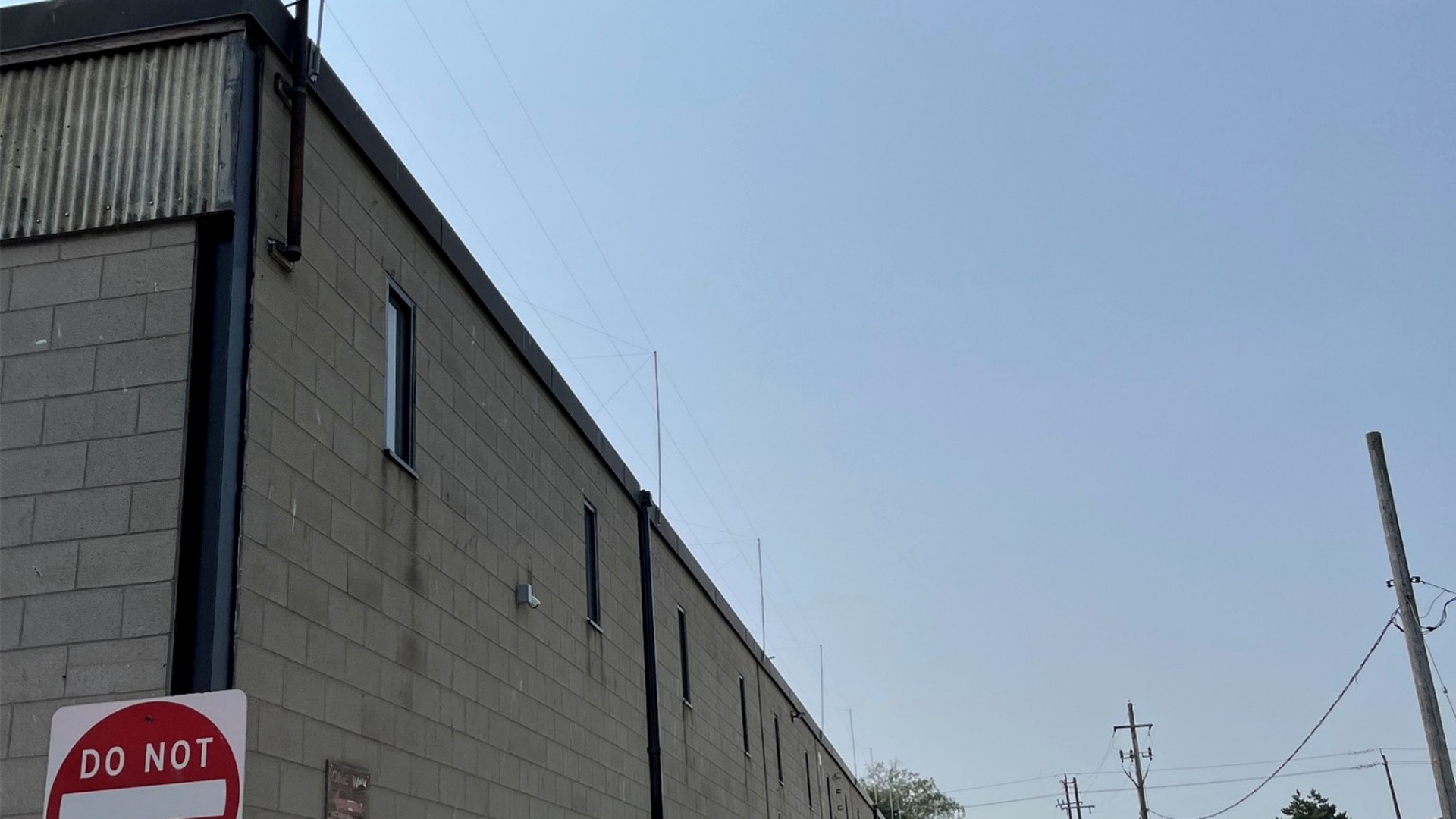
1. Install Grid Wire Deterrents on Large Flat Roofs
How to Use Gridwire: Does It Work for Geese?
Birdwire Overview – Bird Barrier
Bird Control: Bird Control Services | Birds & Geese Beware | Birds & Geese Beware, Inc.
10
When seagulls repeatedly return to a large flat rooftop, cleaning individual sections may not address the wider infestation.
The SCS Grid Wire Deterrent System is designed to discourage birds from landing and roosting beneath protected areas.
It uses an arrangement of wires or synthetic cords supported by poles and specialised aluminium brackets.
The wires create perceived obstacles to landing and take-off, making the protected area less attractive to seagulls.
According to Seagull Control Systems, the system can be customised for different roof dimensions, attachment points, and site conditions.
Seagull Control SystemsSeagull Control Systems+1
When is grid wire protection suitable?
Large flat commercial rooftops.
Warehouse and factory roofs.
Shopping centre rooftops.
Solar panel arrays.
Other large, open surfaces experiencing recurring bird activity.
One important installation consideration is roof protection. The company's grid wire brackets are designed not to penetrate suitable roof surfaces.
The system can also be configured around rooftop equipment and other building structures.
2. Use Seagull Wire Deterrents on Parapets and Ledges
Birdwire Overview – Bird Barrier
Bird-wire plaatsen Limburg, Antwerpen & Leuven | Killbugs
Pestfix Seagull Post & Wire Kit For Surface Mounting from £83.00
9
If seagulls keep returning to the same parapet, narrow ledge, or structural beam, a targeted wire deterrent may be appropriate.
The SCS Seagull Wire Deterrent System uses tensioned wires supported by posts along the protected surface.
Seagulls cannot comfortably grasp a thin wire in the same way they can perch on a broad ledge.
The system is designed for suitable narrow surfaces, including:
Parapets.
Building ledges.
Railings.
Pipes and ducts.
Structural beams.
Roof peaks.
This approach is particularly useful when the recurring problem is concentrated along specific building edges rather than across the entire rooftop.
Seagull Control SystemsSeagull Control Systems+1
3. Install Extra-Tall Stainless Steel Gull Spikes
Bird Proofing Maidstone & Kent • Pest-Tech Ltd.
Bird Spikes in Hyderabad | MCH Enterprises
Cockatoo Spikes Ultra Dense 100% Stainless Steel | BUY ONLINE – Anti Bird Spikes
9
Some commercial surfaces may be better suited to physical spike deterrents.
However, property owners should avoid assuming that every ordinary bird spike will work for seagulls.
Seagulls have relatively long legs and may be able to land between shorter spikes when the attraction to a location is strong.
Seagull Control Systems offers extra-tall stainless steel gull spikes designed for seagull deterrence.
These are intended for suitable narrow surfaces, including parapets, ledges, walls, girders, and ducts.
Seagull Control SystemsSeagull Control Systems+1
The main purpose is to prevent birds from finding a comfortable landing position without physically harming them.
4. Protect Rooftop Equipment With Deterrent Spiders
Daddi Long Legs by Bird-X : BirdXCanada - Detailed Specification Page
Bird B Gone Bird Spider 360 Spinning Bird Deterrent - 6 ft. MMBS600SPN - The Home Depot
9
When seagulls repeatedly land around HVAC units, chimneys, or other smaller flat surfaces, a larger grid system may not be the most practical option.
Seagull Control Systems offers deterrent spiders, also known as Daddi Long Legs.
These devices use stainless steel wires extending outward from a central base to discourage birds from landing nearby.
The company identifies HVAC units, chimneys, boat cabin roofs, and similar smaller surfaces as potential applications.
Seagull Control SystemsSeagull Control Systems
Including these structures in the bird control plan can help prevent birds from simply moving from one protected area to another accessible section.
5. Consider a Combination of Deterrents for Complex Buildings
Some commercial properties have several types of bird landing locations.
For example, a warehouse may have:
A large flat rooftop.
Multiple parapets.
HVAC installations.
Narrow structural beams.
Solar panels.
Installing one type of deterrent across every surface may not be suitable.
Instead, a customised plan can combine grid wire protection, narrow-surface wire deterrents, spikes, and equipment-specific deterrents according to the building's layout.
Seagull Control Systems describes customised commercial projects involving multiple deterrent technologies for different structural conditions.
Seagull Control SystemsSeagull Control Systems+1
Businesses can learn more about customised seagull control systems and how they work.
Why Temporary Bird Deterrents May Not Stop Seagulls From Returning
Property owners sometimes try several methods before considering a professionally designed physical deterrent system.
Fake owls, reflective objects, sound devices, and other visual deterrents may appear useful initially. However, their effectiveness can decrease when birds become familiar with them.
Seagull Control Systems explains that seagulls may adapt to temporary harassment methods, including noisemakers and fake predators.
The company distinguishes these approaches from physical exclusion systems that change the conditions of the protected area.
Seagull Control SystemsSeagull Control Systems+1
Consider the following comparison:
ApproachMain purposeLimitation or considerationRepeated cleaningRemoves accumulated bird wasteDoes not prevent landingFake predatorsScares birds awayBirds may become accustomed to themNoise devicesDisturbs bird activityMay offer only temporary resultsGrid wire systemsDiscourages landing on large open surfacesRequires suitable customised installationWire deterrentsPrevents comfortable perching on narrow surfacesMust match the surface configurationGull spikesMakes selected narrow surfaces unsuitable for landingRequires seagull-appropriate spike dimensions
For commercial property managers, the important distinction is between removing the consequences of bird activity and addressing the conditions that allow it to continue.
For further reading, see Are Seagull Deterrent Systems Safe and Humane for Wildlife?.
How Should Businesses Combine Cleaning and Seagull Prevention?
Cleaning should remain part of commercial property maintenance, even after a bird deterrent system is installed.
The difference is that cleaning should no longer be the only measure being used to manage recurring bird activity.
A more practical approach combines safe cleaning procedures with physical bird deterrents and routine inspections.
Step 1: Identify the Repeatedly Affected Areas
Start by recording which building sections experience the most bird activity.
Look for recurring droppings on parapets, rooftop equipment, flat roof sections, solar panels, and other elevated structures.
Photographs and maintenance records can help identify patterns.
Step 2: Determine Why Birds Prefer Those Locations
Consider whether the affected areas provide convenient landing surfaces, access to nearby food sources, or suitable nesting opportunities.
Also check whether seagulls are moving between different parts of the building.
A professional seagull site assessment can help property owners understand these patterns.
Step 3: Clean Affected Surfaces Safely
Remove accumulated bird droppings and nesting debris where legally and safely permitted.
Bird waste can contain harmful microorganisms. Cleaning teams should use appropriate protective equipment and follow suitable hygiene procedures.
Seagull Control Systems recommends using a suitable cleaning solution before installing deterrents. Its Evo Blend cleaning product is designed for removing seagull droppings from suitable surfaces. The company also advises wearing a mask when using hoses or power washers to avoid inhaling contaminated spray.
Seagull Control SystemsSeagull Control Systems
Active nests should not be disturbed without checking applicable wildlife protection requirements.
Step 4: Install Appropriate Physical Deterrents
Choose a system according to the building structure and the birds' preferred landing locations.
Large flat rooftops may require grid wire protection, while narrow parapets and ledges may need wire deterrents or extra-tall gull spikes.
Step 5: Inspect and Maintain the Installed System
A bird deterrent system should be inspected periodically.
For its grid wire system, Seagull Control Systems recommends checking and tightening wires that may loosen over time.
The company's suggested maintenance interval is approximately every three months. This helps maintain system effectiveness and reduces the risk of birds becoming entangled in sagging wires.
Seagull Control SystemsSeagull Control Systems+1
Step 6: Monitor Bird Activity After Installation
Continue observing the protected areas.
Check whether seagulls are using alternative building sections or whether any previously unprotected areas have become new landing locations.
This information can help property managers determine whether additional protection is necessary.
What Can Commercial Property Owners Learn From Real Seagull Control Projects?
Understanding how other commercial properties have addressed recurring bird activity can help explain why physical prevention is often more useful than repeated cleaning alone.
Seagull Control Systems shares several project examples on its website.
Case Study 1: A Beachfront Motel With Repeated Solar Panel Contamination
A beachfront motel in Cayucos, California, experienced recurring seagull activity around its solar panel installation.
The birds repeatedly contaminated the panels, guest vehicles, and walkways.
Cleaning provided temporary relief, but droppings continued appearing after the panels were washed.
In 2016, Seagull Control Systems worked with the motel's maintenance manager to develop a customised grid wire deterrent system.
Following the final cleaning and installation, the company reports that the seagulls abandoned the roof and did not return. The panels remained free from the recurring contamination described in the project account.
Seagull Control SystemsSeagull Control Systems
The important lesson is that cleaning the panels did not change why the birds were using the roof. Addressing their access to the area was a different approach.
Case Study 2: A Manufacturing Facility With Rooftop Nesting Problems
At the General Motors Flint Assembly Plant in Michigan, seagulls were nesting on elevated trestles and gathering on commercial rooftops.
The infestation contributed to pollution on roads and work areas, while feathers and nesting debris blocked roof drains.
Seagull Control Systems designed a solution combining its Grid Wire Deterrent System and Seagull Deterrent Spikes.
According to the company's project account, management reported that the bird problem was resolved within weeks of installation, with no continuing nesting or pollution in the protected areas.
Seagull Control SystemsSeagull Control Systems
This example demonstrates why different building sections may require different deterrent technologies.
A large roof and a narrow structural surface do not necessarily need the same solution.
When Should a Business Consider Professional Seagull Control?
Occasional seagull activity does not automatically mean a commercial property needs a complete bird deterrent installation.
However, professional assessment becomes worth considering when the same building sections experience repeated bird activity despite regular cleaning.
Look for these warning signs:
Seagulls return to the same parapets or rooftop sections after cleaning.
Droppings accumulate repeatedly on the same surfaces.
Multiple birds gather around rooftop equipment.
Nesting materials appear in sheltered roof sections.
Cleaning expenses continue increasing.
Existing visual or sound deterrents are not producing lasting results.
Bird activity is affecting employees, customers, or routine maintenance.
A professional assessment can help identify the main landing locations and determine which deterrent technologies are appropriate.
Seagull Control Systems specialises in commercial and industrial bird control across the United States and Canada.
The company works with building owners, roofing contractors, maintenance teams, solar panel installers, architects, and property managers to design customised seagull deterrent systems.
Its solutions are intended for commercial rooftops, warehouses, factories, office buildings, solar installations, waste handling facilities, and other properties experiencing recurring bird infestations.
Seagull Control SystemsSeagull Control Systems
Property owners can also explore how to choose the right seagull deterrent system for their property.
Frequently Asked Questions About Seagulls Returning After Cleaning
1. Why do seagulls keep coming back after I clean my roof?
Cleaning removes bird droppings but does not change the physical conditions that attract seagulls. If the roof still offers convenient landing, resting, or nesting locations, birds may continue returning.
2. Do seagulls remember places where they have landed before?
Seagulls can develop familiar patterns of using suitable locations. When a building repeatedly provides convenient resting or feeding opportunities, birds may continue visiting the same sections.
3. Does cleaning bird droppings discourage seagulls from returning?
Cleaning improves hygiene and removes accumulated waste, but it does not necessarily discourage birds from landing again. Physical deterrents may be needed to address recurring landing activity.
4. Why do seagulls keep landing on the same parapet?
Parapets offer elevated, accessible surfaces where seagulls can perch and observe their surroundings. If the surface remains suitable, cleaning alone will not prevent repeated landing.
5. What is the best way to stop seagulls from returning to commercial rooftops?
The appropriate physical deterrent depends on the rooftop. Grid wire systems are an option for large flat surfaces, while wire deterrents and extra-tall gull spikes can be suitable for narrow parapets and ledges.
6. Can seagulls become accustomed to fake owls and sound deterrents?
Yes. Seagulls may become accustomed to repeated visual and sound-based disturbances. Physical deterrents work differently by making protected areas unsuitable for landing.
7. How can businesses prevent seagulls from nesting on the same roof every year?
Property owners should identify recurring nesting locations and assess suitable physical deterrents. Any active nests must be handled in accordance with applicable wildlife protection laws.
8. Can grid wire systems stop seagulls from returning to flat commercial roofs?
Grid wire systems are designed to discourage seagulls from landing and roosting beneath the protected wire arrangement. The system must be properly designed, installed, and maintained for the specific rooftop.
9. How often should commercial bird deterrent systems be inspected?
Inspection requirements depend on the system and environmental conditions. Seagull Control Systems recommends checking and tightening its grid wire system approximately every three months.
10. Who can help with recurring seagull problems on commercial buildings?
Seagull Control Systems provides customised commercial and industrial seagull deterrent solutions across the United States and Canada, including grid wire systems, seagull wire deterrents, and stainless steel gull spikes.
For additional answers, visit the company's Frequently Asked Questions page.
Conclusion: Stop Cleaning the Same Problem Without Addressing Its Cause
When seagulls keep landing on the same building sections despite repeated cleaning, the issue is usually not a lack of cleaning effort.
The underlying problem is that the building continues to offer conditions that make those locations suitable for birds.
Parapets, flat rooftops, ledges, HVAC units, and solar panel installations can all become familiar landing and roosting areas. Nearby food sources and established nesting locations may also contribute to recurring activity.
Cleaning remains important for maintaining hygiene and protecting building surfaces, but it should be combined with measures that address the reasons birds keep returning.
For commercial property owners, this means identifying the affected sections, understanding bird behaviour, and choosing physical deterrents suited to the building's design.
Grid wire systems, seagull wire deterrents, and extra-tall stainless steel gull spikes offer different approaches to protecting commercial structures.
The goal is not simply to clean the same rooftop again. It is to prevent the conditions that keep bringing the birds back.
If your commercial property continues experiencing recurring seagull activity, explore the seagull control solutions offered by Seagull Control Systems.
The company provides customised bird deterrent systems for commercial rooftops, warehouses, industrial facilities, solar installations, and other properties across the United States and Canada.
You can also contact its team to discuss the affected areas and explore a suitable long-term seagull control solution.
