

Introduction
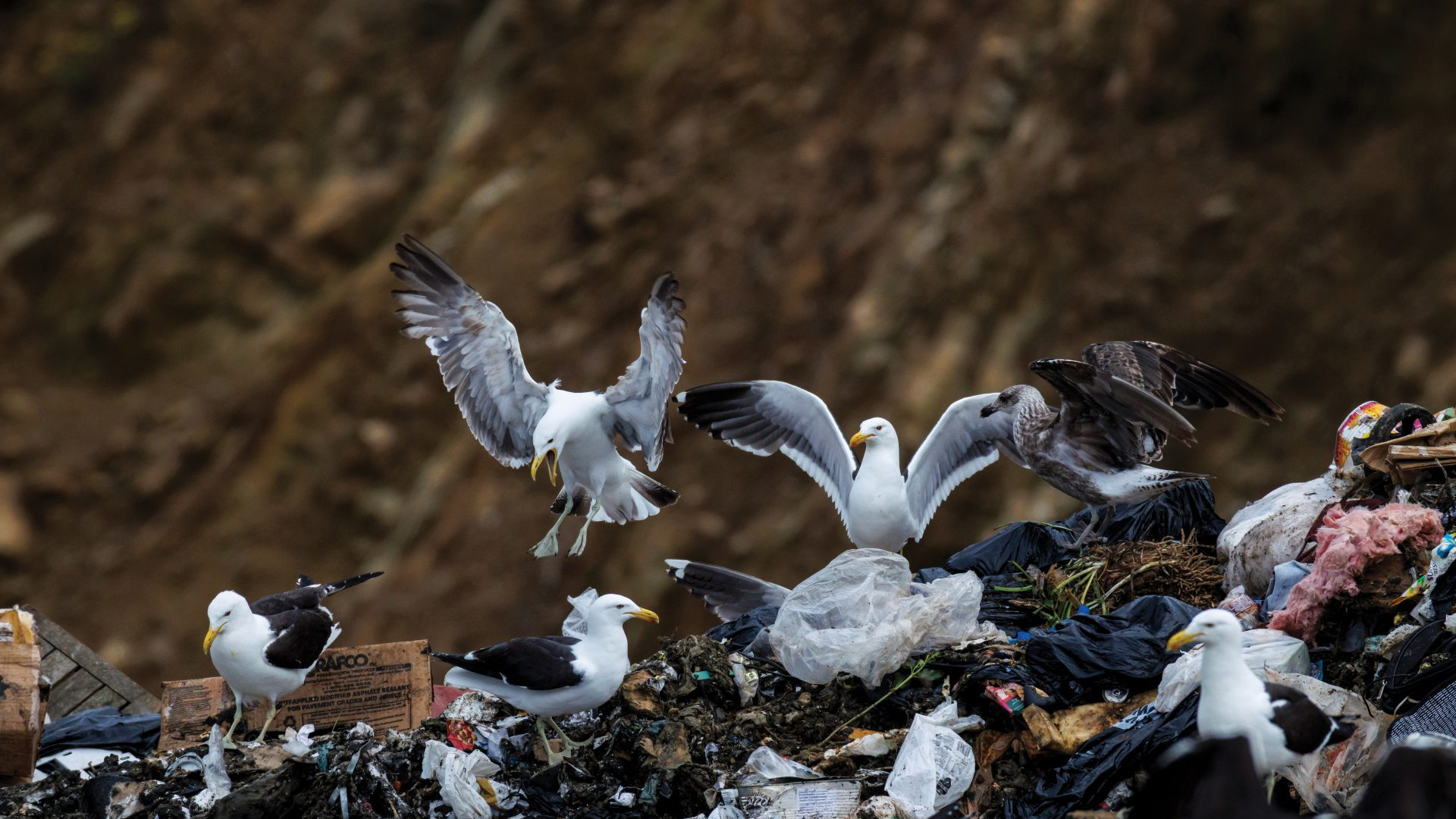
Waste facilities often provide seagulls with everything they need to remain in one location: accessible food, open disposal areas, standing water, and elevated structures for resting. Landfills, recycling centers, transfer stations, composting sites, and waste processing plants can become regular feeding and roosting locations when birds find reliable sources of food and suitable places to settle.
Although seagulls are a natural part of the environment, large concentrations around waste facilities can create persistent operational challenges. Bird droppings may contaminate equipment and walkways, nesting activity can interfere with maintenance, and flocks gathering around exposed waste can complicate site cleanliness and environmental management.
Reducing seagull activity requires more than chasing birds away after they arrive. The most effective approach combines waste management practices, habitat modification, routine inspections, and appropriately selected humane bird deterrent systems.
For facility managers, the objective is to make the property less attractive to seagulls while maintaining efficient operations and protecting wildlife. A carefully planned strategy can reduce opportunities for feeding and roosting, improve site hygiene, and help prevent birds from repeatedly establishing the same habits.
Why Do Seagulls Gather Around Waste Facilities?
Understanding why seagulls choose a particular site is the first step toward controlling their activity. Their presence usually reflects a combination of food availability, shelter, accessible water, and suitable resting locations.
Accessible Food Attracts Repeated Visits
Seagulls are opportunistic feeders. They can take advantage of exposed food scraps, uncovered waste containers, overflowing bins, and material left accessible during unloading or processing.
When a facility consistently provides easy access to food, birds may begin visiting at predictable times. Once a flock discovers a dependable feeding area, the surrounding property can become part of its regular daily routine.
Waste management practices that limit access to organic material are essential because humane seagull deterrence alone cannot compensate for an abundant, continuously available food source.
Rooftops and Structures Provide Roosting Opportunities
Waste facilities contain numerous elevated surfaces that can attract resting birds. Flat rooftops, warehouse ledges, light fixtures, conveyors, loading structures, and equipment housings may provide unobstructed views and convenient places to perch.
Some structures can also offer protection from wind and disturbance. If birds regularly use these locations, droppings may accumulate on roofs, machinery, access platforms, and areas below their preferred perches.
Roosting and nesting are different behaviors. Roosting involves resting or gathering at a location, often outside active feeding periods. Nesting involves establishing a breeding site, which can require a different management approach.
Standing Water and Sheltered Areas Increase Site Appeal
Puddles, drainage basins, open water storage areas, and poorly drained sections of a property can provide water for birds. Covered structures, sheltered corners, and quiet roof sections may offer additional resting or nesting opportunities.
These features do not necessarily attract seagulls on their own, but they can make a facility more suitable when food is already available.
How Can Waste Facilities Reduce Seagull Activity?
A successful seagull management program addresses the conditions attracting birds before investing heavily in deterrent equipment. The following measures can help reduce feeding opportunities and discourage repeated use of the property.
1. Improve Waste Containment and Handling
Reducing access to exposed food waste is one of the most important steps a facility can take.
Waste should be contained, covered, or processed according to the site's operational requirements. Containers with damaged lids, uncovered skips, and overflowing bins should be identified and corrected promptly.
Facility managers can strengthen waste containment by:
Keeping food-bearing waste covered whenever practical.
Repairing damaged container lids and doors.
Preventing bins from remaining overfilled.
Cleaning spilled waste as soon as operationally feasible.
Minimizing the time organic material remains exposed during transfers.
Checking unloading and staging areas for food scraps.
For example, a transfer station may experience heavy seagull activity during morning deliveries. If birds consistently gather while incoming loads are temporarily uncovered, adjusting unloading procedures and shortening exposure times may reduce the feeding opportunity.
The goal is not simply to remove birds from the immediate area. It is to make the feeding location less rewarding.
2. Maintain Clean Loading and Processing Areas
Even well-contained waste can attract birds when small amounts of food are repeatedly left on the ground.
Conveyor systems, sorting lines, tipping floors, loading bays, and vehicle routes should be included in a regular cleaning schedule. Particular attention should be given to locations where organic material accumulates between routine cleanups.
A practical cleaning program should identify who is responsible for each area, how frequently it should be inspected, and how spills are reported.
Cleaning schedules may need to change during periods of increased waste volume or when certain operations produce more exposed organic material. Facility managers should review these patterns rather than relying on one schedule throughout the year.
3. Secure Bins, Skips, and Temporary Storage Areas
Temporary storage areas can become dependable feeding locations if birds can access their contents.
Inspect waste containers for openings, damaged covers, gaps around doors, and other access points. Where operationally appropriate, use secure covers or bird-resistant enclosures that allow employees and vehicles to work safely.
Temporary stockpiles deserve particular attention because they can remain exposed for extended periods. Their location, storage duration, and containment method should be considered together.
The same principle applies to food waste awaiting collection. If material is left accessible between scheduled pickups, changing collection frequency or improving containment may be more effective than adding deterrents to nearby structures.
4. Reduce Standing Water and Improve Drainage
Water management can make a property less attractive to birds seeking convenient drinking or bathing locations.
Inspect low-lying areas, roof drains, gutters, paved surfaces, and drainage channels for recurring water accumulation. Repair drainage problems where practical, remove unnecessary sources of standing water, and maintain systems designed to carry runoff away safely.
Waste facilities must retain appropriate stormwater controls and follow environmental requirements. Water should never be redirected or removed in ways that compromise pollution prevention, drainage capacity, or site compliance.
Where water retention is necessary, the facility may need a broader site-specific approach to reducing bird access without interfering with its environmental management obligations.
How Can Facilities Prevent Seagulls From Roosting on Roofs and Equipment?
Removing feeding opportunities helps reduce attraction to a site, but it may not stop birds from resting on structures they already use regularly.
Roof edges, HVAC equipment, conveyor housings, warehouse ledges, lighting structures, and sheltered platforms may require targeted deterrent measures.
Identify the Most Frequently Used Roosting Locations
Begin with an inspection of the property rather than installing deterrents across every available surface.
Look for accumulated droppings, feathers, nesting material, repeated bird sightings, and areas where employees regularly observe flocks gathering. These signs can help distinguish occasional visits from established roosting patterns.
Record the locations, approximate times of activity, and conditions associated with each observation. A roof that attracts birds at night may need a different management approach from a loading structure used primarily during the day.
This assessment also helps prioritize areas where bird activity creates the greatest hygiene, equipment, or employee-safety concerns.
Use Physical Bird Deterrents Where Appropriate
Physical deterrents can make selected perching or nesting locations less suitable without harming birds when correctly specified and installed.
Common options include:
Bird exclusion systems: Purpose-designed netting or barriers can restrict access to selected sheltered spaces, structural openings, or areas where birds attempt to nest. Installation must account for safe exits and prevent birds from becoming trapped.
Bird spikes: Suitable anti-perching systems can discourage birds from landing on compatible ledges and narrow surfaces. Their design, spacing, and installation should be appropriate for the target species and location.
Tensioned wire systems: Properly installed bird wires can make certain ledges less comfortable for birds to perch on while preserving much of the structure's appearance.
Specialized deterrent configurations: Some sites require customized arrangements around rooftop equipment, beams, loading structures, or other complex surfaces where standard products may not fit.
No single product is appropriate for every waste facility. A system designed for a narrow building ledge may be ineffective on a broad roof, while equipment installed near moving machinery may introduce maintenance or safety concerns.
The choice should reflect the target species, building design, weather exposure, maintenance access, and operational requirements.
Protect HVAC Equipment and Sensitive Machinery
Birds often use elevated equipment as convenient resting points. Their droppings and nesting material can create cleaning demands and may interfere with access to equipment that requires regular inspection.
Identify exposed housings, platforms, cable routes, and ledges where birds congregate. A suitable deterrent plan should discourage perching without blocking ventilation, obstructing service panels, restricting airflow, or compromising equipment warranties.
Do not place barriers where they could interfere with moving machinery, emergency access, electrical systems, or required maintenance clearances.
Coordination between facility managers, maintenance personnel, and bird-control specialists helps ensure the deterrent system supports normal operations instead of creating new problems. You can learn more about protecting infrastructure in our guide on how seagull deterrents protect rooftop equipment and building systems.
What Role Do Professional Humane Seagull Deterrent Systems Play?
Professional bird control can be particularly useful when seagull activity persists despite improvements to waste containment and cleaning.
A specialist assessment considers how birds use the site, where they enter and perch, and which environmental conditions continue to attract them. The resulting plan can combine structural deterrents with operational improvements rather than relying on a single product.
Customized Solutions for Different Waste Facilities
A landfill has different requirements from an enclosed recycling center or a municipal waste transfer station.
At a landfill, exposed waste, large working areas, and changing disposal locations may require coordinated operational measures and targeted protection for structures. A recycling facility may benefit from improved containment around sorting lines, loading bays, and storage areas. A warehouse handling organic waste may need exclusion measures around sheltered roof sections and building ledges.
A professional site assessment should consider:
The type and scale of bird activity.
Feeding, roosting, and nesting locations.
Building height and structural access.
Equipment and employee safety.
Local weather conditions and material durability.
Cleaning and maintenance requirements.
Applicable wildlife protections and environmental rules.
This information helps determine where deterrents are needed and where better site management may deliver more practical results. For specialized storage spaces, review insights on what seagull control solutions work best for warehouses.
Why Installation Quality Matters
Even a suitable deterrent can perform poorly if it is installed incorrectly or fails to account for bird behavior.
Gaps in exclusion barriers may leave access routes open. Poorly positioned anti-perching products may protect one section while leaving nearby surfaces available. Equipment exposed to harsh weather or corrosive conditions may also require suitable materials and regular inspections.
Seagull Control Systems® provides humane deterrent solutions for commercial and residential properties across the USA and Canada, including waste-related environments where site-specific planning is necessary.
With more than 20 years of specialized experience, the company focuses on customized systems intended to discourage nesting and roosting while protecting buildings, equipment, and outdoor areas without harming wildlife.
How Can Waste Facilities Reduce Seagull Activity Without Harming Wildlife?
Humane bird management focuses on changing access, habitat conditions, and landing opportunities instead of injuring birds.
Seagulls are protected under different legal frameworks depending on the country, species, location, and circumstances. In the United States, applicable federal protections may include the Migratory Bird Treaty Act for covered species. In Canada, federal and provincial or territorial rules may apply, depending on the species and situation.
Facility managers should confirm which laws and permits apply before disturbing nests, handling eggs, capturing birds, or undertaking other wildlife-control activities.
Avoid Unnecessary Nest Disturbance
A nest on a roof or equipment platform may create concerns about cleanliness, maintenance, and employee safety. However, disturbing an active nest can carry legal and animal-welfare implications.
Before undertaking work near nesting birds, identify the species when possible and consult the relevant wildlife authority or a qualified professional. Do not assume that every seagull species has identical legal protection or that an apparently inactive nest can be removed without checking applicable requirements.
Where necessary, deterrent installation should be planned around the breeding season and any required permissions.
Be Careful With Scare Devices and Chemical Products
Visual scare devices, reflective materials, and sound-based deterrents may produce temporary changes in bird behavior. Their effectiveness can decline when birds become accustomed to them, especially if food and safe roosting sites remain available.
Chemical repellents also require careful evaluation. Any product must be suitable for the intended use, applied according to its label, and compatible with applicable environmental and wildlife rules.
Facilities should avoid methods that can injure birds, contaminate waste streams, create hazards for employees, or affect non-target wildlife.
A humane strategy prioritizes exclusion, habitat management, and carefully selected deterrents that can be monitored and maintained over time.
How Should a Waste Facility Build a Seagull Management Plan?
A written plan makes bird management more consistent and easier to evaluate. It also helps connect day-to-day cleaning procedures with longer-term property protection.
Step 1: Establish a Baseline
Document where seagulls gather, what they appear to be feeding on, and which structures they use for resting or nesting.
Include observations from different shifts and operating periods where possible. A facility that receives waste throughout the day may experience different patterns from one that operates on a limited schedule.
Photographs and inspection notes can help establish a reference point for future comparisons.
Step 2: Correct the Main Attractants
Prioritize accessible food, overflowing containers, recurring spills, and avoidable standing water.
Assign responsibility for each corrective action and establish a reasonable completion date. Operational improvements should begin before or alongside physical deterrent installation.
Step 3: Prioritize High-Risk Areas
Focus first on locations where bird activity creates the greatest operational consequences.
These may include employee walkways, loading bays, machinery access points, heavily used roofs, and areas where droppings accumulate near ventilation equipment.
Not every part of a large facility needs the same level of intervention. Targeted improvements can help direct resources toward the locations that matter most.
Step 4: Install Suitable Deterrents
Choose systems based on the site's construction, bird behavior, weather exposure, and maintenance requirements.
Where appropriate, use professional installation to address complicated rooflines, high structures, sensitive equipment, and locations with difficult access.
Check that the completed work does not interfere with drainage, emergency routes, machinery, or routine inspections.
Step 5: Monitor Results and Adjust
Inspect treated areas after installation and compare observations with the original baseline.
Useful indicators include:
Changes in the frequency of bird sightings.
Reduced accumulation of droppings in treated areas.
Fewer observations of repeated perching or nesting attempts.
Lower cleaning demands in affected locations.
Fewer interruptions to maintenance activities.
These indicators should be interpreted together. A decline in birds on one roof, for example, may mean that activity has shifted to another building rather than disappeared from the property.
Review results regularly and adjust the strategy when birds continue to use untreated structures or new feeding locations emerge.
Common Mistakes That Allow Seagull Problems to Continue
Some bird-control programs underperform because they focus on visible symptoms without correcting the underlying causes.
Relying Only on Scare Tactics
Moving birds away for a short period does not necessarily prevent them from returning. If food remains exposed and familiar roosting locations are available, the property may continue to attract them.
Scare tactics should not replace waste containment, structural exclusion, or regular monitoring.
Installing Deterrents Without a Site Assessment
A product that works well on one building may be unsuitable for another. Installing deterrents without identifying the birds' preferred landing areas can leave major access points untouched.
A site assessment helps match the equipment to the actual problem and reduces the risk of unnecessary installations.
Ignoring New Roosting Locations
Seagulls may move to nearby roofs, poles, or structures when their preferred perching areas become inaccessible.
Regular inspections should include surrounding structures, not just the original problem location. The objective is to reduce persistent site-wide activity rather than simply relocate it.
Treating Bird Control as a One-Time Project
Weather, building changes, waste volumes, and seasonal bird behavior can all influence activity. Deterrents may also require repair, cleaning, or adjustment.
A sustainable program includes scheduled inspections, maintenance responsibilities, and a process for responding to renewed activity.
Conclusion
Waste facilities can reduce seagull activity and roosting by making food less accessible, maintaining clean working areas, securing waste containers, improving drainage, and restricting access to frequently used perching and nesting locations.
The most effective strategy combines these operational improvements with humane, site-specific bird deterrents. Professional assessment can help facility managers choose appropriate systems for rooftops, warehouses, loading structures, equipment, and other vulnerable areas while accounting for safety and maintenance requirements.
Consistent monitoring is equally important. By documenting bird activity, correcting new attractants, and maintaining installed systems, facilities can respond to changing conditions before small problems become persistent operational challenges.
Seagull management is best treated as an ongoing part of facility maintenance, environmental responsibility, and property protection. A practical, humane plan can help maintain cleaner work areas, protect important infrastructure, and discourage repeated roosting without unnecessarily harming wildlife.
Frequently Asked Questions
1. What is the most effective way to keep seagulls away from waste facilities?
The most effective approach combines secure waste containment, prompt spill cleanup, reduced access to standing water where practical, and targeted humane deterrents on frequently used structures. Monitoring helps identify whether the changes are reducing activity or simply moving birds elsewhere.
2. Why are seagulls attracted to landfills and recycling centers?
Seagulls are attracted to accessible food, open waste, and suitable places to rest. Landfills and recycling centers may offer several of these conditions in one location, making them convenient feeding and roosting sites.
3. How can waste facilities prevent seagulls from roosting on rooftops?
Facilities can identify frequently used roof sections and install appropriate anti-perching or exclusion systems. Bird wires, suitable spikes, and specialized barriers may help on compatible surfaces when correctly selected and installed.
4. Do bird deterrents work if waste remains uncovered?
Deterrents may reduce access to selected structures, but exposed food can continue attracting birds to the property. Improving waste containment and cleaning practices is essential for reducing the conditions that encourage repeated visits.
5. Are humane seagull deterrent systems safe for birds?
Properly selected and installed exclusion and anti-perching systems are designed to discourage birds without injuring them. Installation should prevent entrapment, avoid harmful materials, and comply with applicable wildlife protections and site safety requirements.
6. Can seagull droppings damage waste facility equipment?
Accumulated droppings can contribute to surface deterioration, create cleaning demands, and contaminate walkways or work areas. Deposits around machinery and access points can also complicate maintenance, making prevention and routine cleaning valuable.
7. How often should a waste facility inspect its bird deterrent systems?
Inspection frequency depends on bird activity, weather exposure, equipment design, and site conditions. Facilities should establish a regular schedule, check systems after severe weather or maintenance work, and investigate renewed bird activity promptly.
8. Can seagull control prevent birds from returning permanently?
No responsible deterrent program can guarantee that seagulls will never return. However, combining reduced food access, suitable physical deterrents, ongoing maintenance, and monitoring can discourage repeated use of treated areas.
9. Is it legal to remove seagull nests from a waste facility?
Legality depends on the species, location, nesting status, and applicable wildlife regulations. In the USA and Canada, some species and nesting situations are protected. Facilities should confirm legal requirements and obtain necessary permits before disturbing or removing nests.
10. When should a waste facility hire a professional seagull control specialist?
Professional assistance is worth considering when birds repeatedly gather despite improved waste management, when nesting occurs on difficult-to-access structures, or when droppings and roosting interfere with operations. A site assessment can help identify the causes and determine which humane deterrents are appropriate.
