

Introduction
As the boating season comes to an end, marina owners and operators have an important list of tasks to complete before winter dock storage begins. Preparing a marina for the colder months involves more than securing boats and closing down seasonal services. It also means inspecting docks, walkways, roof structures, storage areas, drainage systems, and other facilities that may experience reduced activity during winter.
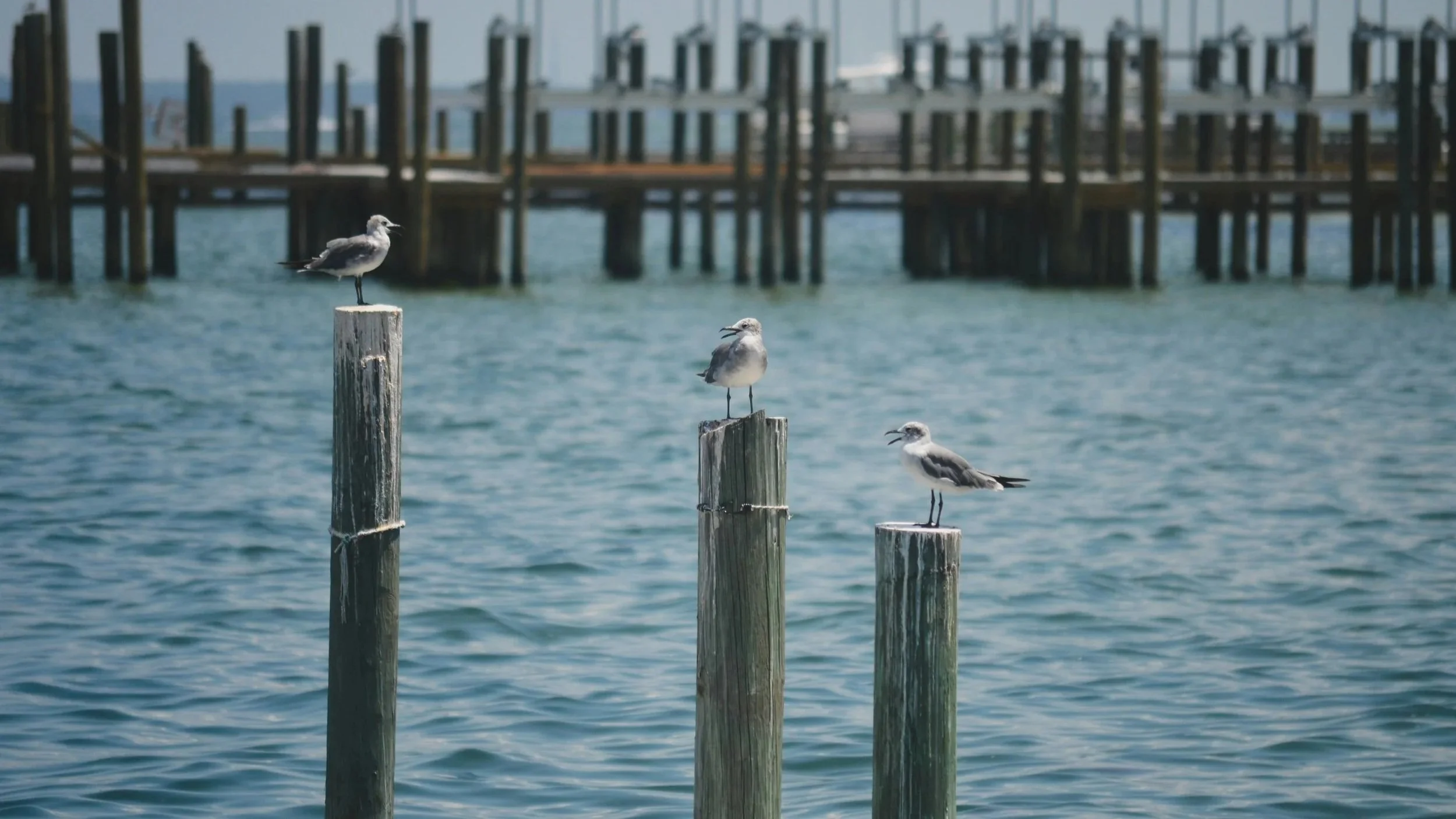
One issue that marina owners should not overlook is seagull activity.
Seagulls often gather around marinas because these locations provide convenient places to land, rest, and search for food. Docks, boat covers, floating structures, marina buildings, boat lifts, and nearby rooftops can all become attractive resting areas. When boating activity decreases during winter, birds may continue using these spaces even when fewer people are around.
Their presence can create additional cleaning and maintenance work. Droppings may accumulate on docks, boat surfaces, walkways, and storage areas. Nesting material and other debris can also collect around nearby structures, potentially creating drainage and maintenance concerns.
For marina owners, winter preparation is therefore a good opportunity to review the entire property, identify recurring bird activity, and address potential problems before the next boating season.
So, what should marina owners check before the winter dock storage season?
A thorough inspection should cover dock conditions, boat storage areas, bird activity, waste management, drainage, and the suitability of existing seagull deterrent systems. Taking these steps can help protect marina facilities and make the property easier to maintain throughout the quieter months.
Why Is Winter Preparation Important for Marina Owners?
Marinas experience changing maintenance requirements throughout the year. During the boating season, regular vessel movement, customer visits, dock activity, and staff presence may make it easier to notice developing problems.
Once winter storage begins, some areas may receive less attention. Boats may be removed from the water or placed into storage, docks may see less foot traffic, and certain facilities may operate on reduced schedules.
This change in activity makes pre-winter inspections particularly important.
Marina owners should use the transition between boating seasons to identify issues that could become more difficult to manage later.
These may include:
Accumulated bird droppings on docks and walkways.
Seagulls repeatedly landing on boats, covers, and dock structures.
Nesting material around nearby buildings and equipment.
Loose or damaged dock components.
Debris around drainage outlets.
Food waste attracting birds near marina facilities.
Existing bird deterrent systems requiring maintenance.
Areas that may become harder to inspect during winter.
Addressing these concerns before storage activity increases or weather conditions become more challenging can help marina operators organise maintenance more effectively.
1. Inspect Docks and Walkways for Seagull Activity
Docks and walkways are among the most frequently used areas in a marina. They provide access to boats, storage facilities, maintenance areas, and waterfront amenities.
However, these structures can also provide convenient landing and resting locations for seagulls.
Before winter dock storage begins, marina owners should check whether gulls are regularly gathering on:
Floating docks.
Dock edges and railings.
Boat slips.
Gangways.
Mooring structures.
Covered walkways.
Nearby roof edges and parapets.
Marina buildings and elevated platforms.
Look for repeated droppings, feathers, and other signs of bird activity.
The location of these signs can help identify where birds are landing. For example, repeated droppings on one section of a dock may indicate that gulls are regularly resting on nearby railings or structures.
It is important to look beyond the visibly affected surface. If seagulls are using a nearby roof or marina building, cleaning the dock alone may not prevent the problem from returning.
A proper inspection should identify the landing locations responsible for the recurring mess.
Marina operators can also learn more about the best seagull deterrent solutions for docks and piers.
2. Check Boats, Covers, and Boat Lift Structures
Boats and associated storage equipment can become convenient resting places for seagulls, especially when vessels remain stationary for extended periods.
Boat covers, cabin roofs, lift covers, and other relatively flat surfaces may attract birds looking for somewhere to land.
This can create several maintenance concerns.
Bird droppings may accumulate on covers and exposed boat surfaces. Repeated cleaning may become necessary, particularly when birds continue using the same storage area.
Marina owners should check:
Boat covers for accumulated droppings.
Cabin roofs and exposed flat surfaces.
Boat lift covers.
Nearby storage structures.
Areas where boats are kept close together.
Equipment that provides convenient landing locations.
Pay particular attention to boats and structures that remain unused for long periods.
When birds repeatedly gather around stored vessels, the issue may involve the surrounding marina layout rather than the boats themselves.
For smaller flat surfaces, Seagull Control Systems offers deterrent spiders, also known as Daddi Long Legs. These systems use stainless steel wires extending from a central base and may be suitable for areas such as boat cabin roofs and boat lift covers.
The suitability of a deterrent depends on the size, shape, and location of the surface being protected.
3. Look for Seagull Nesting and Roosting Areas Around Marina Buildings
Marina buildings often include roof edges, parapets, ledges, HVAC equipment, covered sections, and other structures that can attract seagulls.
These areas may be used for resting or nesting, particularly when they provide convenient access and remain undisturbed.
Before winter storage begins, inspect:
Building rooftops.
Roof ridges and gable peaks.
Parapets and exterior ledges.
HVAC units.
Canopies and overhangs.
Structural beams.
Pipes and ducts.
Elevated signs and supports.
Look for nesting material, repeated droppings, feathers, and signs of regular bird activity.
Pay attention to roof drainage systems as well. Seagull nesting material, feathers, and accumulated debris can contribute to blocked roof drains and other maintenance concerns.
If birds are repeatedly using the same structures, marina operators should consider whether suitable deterrent systems are needed.
Seagull Control Systems provides several types of seagull deterrent solutions designed for different surfaces, including grid wire systems, wire deterrents, stainless steel gull spikes, and deterrent spiders.
The correct option depends on the building feature and the type of bird activity being addressed.
4. Review Food Waste and Cleaning Arrangements
Marinas can have several potential food sources for seagulls.
Restaurants, snack bars, picnic areas, outdoor seating spaces, fishing activity, and waste disposal points may attract birds looking for accessible food.
During the boating season, these areas may experience considerable activity. Food scraps and discarded packaging can become more noticeable during busy periods.
Before winter storage begins, marina owners should review their waste management arrangements.
Important checks include:
Are rubbish bins properly covered?
Are waste containers overflowing?
Are food scraps being left around docks?
Are outdoor dining areas cleaned regularly?
Are discarded fishing-related food items attracting birds?
Are waste storage areas kept organised?
Are collection schedules suitable for seasonal changes?
Reducing accessible food waste can help make the marina less attractive to birds.
However, food management should not be treated as a complete bird control solution. Seagulls may continue using docks, roofs, boat covers, and other convenient surfaces even when food waste is managed properly.
A more effective approach combines good housekeeping with appropriate deterrent systems.
5. Inspect Dock Edges, Railings, and Narrow Landing Surfaces
Dock edges and railings can provide convenient places for seagulls to perch.
These structures may be particularly attractive because they offer clear views of the surrounding water and nearby activity.
If gulls regularly sit along railings or narrow dock structures, marina owners should consider whether those surfaces require additional protection.
Seagull Control Systems offers wire deterrent systems that can be adapted for suitable narrow surfaces, including railings, ledges, walls, pipes, and other structural features.
Extra-tall stainless steel gull spikes may also be appropriate for selected narrow surfaces such as ledges, parapets, and girders.
These products are designed for seagulls rather than simply being standard short bird spikes. The additional height is important because gulls have relatively long legs, which can make ordinary shorter spikes less suitable.
The installation should be planned carefully to ensure that protected surfaces remain appropriate for normal marina operations and access.
6. Check Large Flat Areas for Opportunities to Install Grid Wire Deterrents
Some marinas have large open surfaces where seagulls can land without obstruction.
These may include flat rooftops, certain dock structures, storage buildings, and other suitable areas.
Grid wire deterrent systems may be considered where gulls regularly use these open surfaces.
Seagull Control Systems offers grid wire systems using nylon-coated stainless steel wire or polyurethane-coated Kevlar synthetic cord. The wires are supported by aluminium poles and heavy-duty welded aluminium brackets.
The system layout is customised according to the size of the area, available attachment points, and the surface being protected.
This type of deterrent may be useful when seagulls repeatedly land on large flat areas near boat storage facilities or marina buildings.
The company states that its grid wire brackets do not penetrate suitable roof surfaces. Installation requirements should still be assessed according to the actual structure and surface conditions.
Marina owners should avoid assuming that every flat area needs the same arrangement. The location, dimensions, and intended use of the surface all matter when planning a deterrent system.
7. Check Roof Drains and Drainage Outlets for Bird-Related Debris
Drainage inspections are an important part of winter marina preparation.
Seagulls may leave feathers, nesting material, and other debris around rooftops and nearby structures. If this material accumulates around drainage outlets, it can contribute to blockages and water management problems.
Marina owners should inspect:
Roof drains.
Drainage outlets.
Gutters and downspouts.
Areas below known nesting locations.
Flat roof sections where debris collects.
Drainage routes around storage buildings.
The aim is to identify accumulated material before it becomes a more serious maintenance concern.
If seagulls are repeatedly nesting or roosting near drainage systems, simply removing the debris may not resolve the underlying problem.
The nearby landing or nesting surfaces may also need attention.
For additional information, marina operators can read about how seagulls damage commercial roofs, HVAC equipment, and building surfaces.
8. Review Existing Seagull Deterrent Systems Before Winter
Marinas that already have bird deterrent systems should include them in their pre-winter inspection.
A system that was installed several seasons ago may require adjustments, repairs, or routine maintenance.
For example, grid wire systems depend on proper wire tension. Wires may loosen over time, which can affect their effectiveness.
Seagull Control Systems recommends inspecting and tightening its grid wire systems approximately every three months.
During the inspection, marina operators should check:
Whether wires remain properly tensioned.
Whether any sections appear loose or sagging.
Whether poles and brackets are secure.
Whether attachment points remain in suitable condition.
Whether birds are still landing in protected areas.
Whether nearby surfaces have become new landing locations.
The company's aluminium brackets and poles are covered by a five-year warranty, according to its website.
Marina owners should also review the maintenance information applicable to their particular installation.
A deterrent system should not be considered a maintenance-free addition to the property. Regular checks help ensure that it continues to perform as intended.
For further guidance, see how long professional seagull deterrent systems last.
9. Clean Boat Storage Areas Before Winter Activity Reduces
Cleaning should be part of the pre-winter maintenance schedule.
Bird droppings can accumulate on docks, walkways, boat covers, storage structures, and other exposed surfaces.
Leaving affected areas unattended may make it harder to maintain a clean property throughout the winter period.
Before storage activity reduces, marina operators should identify and clean affected locations using appropriate methods and protective equipment.
A few practical considerations include:
Identify affected surfaces. Check docks, walkways, boat covers, nearby structures, and building exteriors.
Use suitable cleaning products. Select products appropriate for the surface and follow the manufacturer's instructions.
Use protective equipment. Staff should follow appropriate safety precautions when handling bird droppings.
Avoid creating airborne contamination. Pressure washing or spraying dried droppings can produce contaminated spray. Appropriate protective measures are important.
Inspect the source of the problem. If the same area becomes dirty repeatedly, identify where birds are landing above or nearby.
Seagull Control Systems offers Evo Blend, a concentrated probiotic cleaner described on its website for removing seagull splats from suitable surfaces.
Cleaning can improve the condition of affected areas, but it should be combined with measures that address recurring bird activity.
10. Examine Marina Buildings and Storage Facilities for New Landing Opportunities
Winter preparation often involves changes to how a marina uses its facilities.
Equipment may be moved, boats may be relocated, and certain areas may remain unused for longer periods.
These changes can create new opportunities for seagulls to land.
For example, a surface that was previously occupied by equipment may become an open resting area once the equipment is moved.
Marina owners should review buildings, storage facilities, and surrounding structures after major seasonal changes.
Check whether:
New flat surfaces have become exposed.
Previously occupied areas are now accessible to birds.
Roof equipment provides additional perching opportunities.
Temporary storage arrangements create new landing locations.
Nearby structures have become regular resting areas.
A pre-winter inspection should consider how the marina will look and operate after boats and equipment have been moved into their seasonal positions.
Which Seagull Deterrent Systems May Be Suitable for Marinas?
Different marina structures require different types of protection. A solution suitable for a large flat rooftop may not be appropriate for a narrow railing or a small boat lift cover.
The following comparison provides a general overview of the options offered by Seagull Control Systems.
Marina locationPotential deterrentApplicationLarge flat roofsGrid wire systemMakes suitable open surfaces less convenient for landingRoof ridges and gable peaksPeaked roof wire systemProvides deterrence along elevated roof sectionsDock railings and narrow ledgesWire deterrent systemAddresses suitable narrow landing surfacesParapets and structural supportsExtra-tall stainless steel gull spikesDiscourages landing on selected narrow surfacesBoat cabin roofsDeterrent spidersProtects suitable small flat surfacesBoat lift coversDeterrent spidersMakes selected flat areas less attractive for landingHVAC units and equipmentDeterrent spiders or other suitable systemsAddresses bird activity on smaller structures
The right system depends on the surface dimensions, location, installation requirements, and the way gulls use the marina.
In some cases, different systems may be needed across the same property. A marina with large rooftops, narrow railings, and boat lift covers may require several types of deterrents rather than one solution.
Why Should Marina Owners Address Seagull Problems Before the Next Boating Season?
Winter storage preparation is a practical time to address bird activity because maintenance teams are already inspecting facilities and planning seasonal work.
Leaving a recurring seagull problem unresolved may create additional cleaning and maintenance requirements when boating activity resumes.
Consider a marina where gulls regularly gather on boat lift covers and nearby dock structures.
During the boating season, staff may clean affected areas whenever customers report a problem. Once winter arrives, the same surfaces may receive less attention. When activity increases again, accumulated droppings and debris may require additional cleaning.
Addressing the landing locations before the next season can help marina operators reduce the likelihood of repeating the same maintenance cycle.
Early planning also gives property managers time to assess the building and dock layout, select suitable deterrents, and organise installation without treating the work as an urgent response to an ongoing problem.
What Common Winter Preparation Mistakes Should Marina Owners Avoid?
Even well-managed marinas can overlook certain details when preparing for winter.
Some common mistakes include:
Focusing Only on Boats
Boat preparation is important, but bird activity can affect docks, railings, roofs, storage facilities, and other structures.
Inspecting only the vessels may leave the actual source of a seagull problem untouched.
Cleaning Droppings Without Identifying Landing Locations
Cleaning removes visible contamination but does not prevent birds from returning to the same surfaces.
Marina owners should identify where gulls are landing and consider suitable deterrents when bird activity is recurring.
Ignoring Small Structures
Boat lift covers, cabin roofs, HVAC units, and narrow ledges may appear insignificant compared with large rooftops.
However, these smaller surfaces can become regular resting locations for seagulls.
Assuming One Deterrent Will Protect the Entire Marina
Different structures have different requirements. A grid wire system may be suitable for a large flat surface, while a smaller structure may need another type of deterrent.
The entire property should be reviewed before deciding where protection is needed.
Forgetting Routine Maintenance
Bird deterrent systems require appropriate inspections. Loose wires, damaged components, or newly accessible surfaces can affect the overall arrangement.
Regular checks should remain part of the marina's maintenance schedule.
A Practical Pre-Winter Checklist for Marina Owners
Before winter dock storage begins, marina operators can use the following checklist to organise their inspections.
Inspect docks, walkways, and railings for recurring seagull activity.
Check boats, cabin roofs, covers, and boat lift structures.
Look for nesting material around marina buildings.
Inspect rooftops, parapets, ledges, and HVAC units.
Review rubbish bins and waste collection arrangements.
Clean areas affected by bird droppings using appropriate precautions.
Check roof drains and drainage outlets for accumulated debris.
Identify large flat surfaces where grid wire deterrents may be suitable.
Review narrow landing surfaces that may need wire deterrents or gull spikes.
Inspect existing bird deterrent systems.
Check grid wire tension and supporting components.
Record new landing locations created by seasonal equipment changes.
Plan any necessary bird control maintenance before the next boating season.
This checklist can help marina owners create a more organised winter maintenance routine while keeping bird-related concerns from being overlooked.
Frequently Asked Questions
1. Why do seagulls gather around marinas during winter?
Seagulls may continue using marinas during winter because docks, boats, rooftops, railings, and other structures provide convenient places to land and rest. Accessible food waste can also attract them. Reduced human activity does not necessarily mean birds will stop using the property.
2. How can marina owners keep seagulls off boat covers?
The first step is to identify which surfaces birds are using. Suitable smaller flat surfaces, such as boat cabin roofs and boat lift covers, may be protected using deterrent spiders or Daddi Long Legs systems. The appropriate solution depends on the dimensions and layout of the surface.
3. Do seagulls cause problems for marina docks?
Yes. Seagull droppings can accumulate on dock surfaces, walkways, railings, and nearby structures. Birds may also leave feathers and nesting debris around the property, creating additional cleaning and maintenance requirements.
4. What is the best bird deterrent for marina rooftops?
Grid wire deterrent systems may be suitable for large, open flat rooftops. Seagull Control Systems offers systems using nylon-coated stainless steel wire or polyurethane-coated Kevlar synthetic cord, supported by aluminium poles and brackets. The layout is customised to the area being protected.
5. Can bird spikes keep seagulls off dock railings?
Extra-tall stainless steel gull spikes may be suitable for selected narrow surfaces. However, the correct product and installation arrangement depend on the railing's design and whether the surface is suitable for this type of deterrent.
6. How often should marina owners inspect grid wire deterrent systems?
Seagull Control Systems recommends checking and tightening its grid wire systems approximately every three months. Inspections help identify loose or sagging wires and maintain the system's intended arrangement.
7. Should marina owners clean bird droppings before installing deterrent systems?
Cleaning affected surfaces before installation is an important part of preparing the area. Businesses should follow suitable cleaning procedures, use appropriate protective equipment, and take precautions to avoid inhaling contaminated spray when washing affected surfaces.
8. Can one seagull deterrent system protect an entire marina?
Not necessarily. Marinas contain different types of surfaces, including large rooftops, narrow railings, boat covers, dock structures, and small equipment areas. Different locations may require different deterrent systems.
9. Why should marina owners inspect drainage systems before winter?
Feathers, nesting material, and other debris can accumulate around roof drains and drainage outlets. Inspecting these areas before winter helps identify potential blockages and other maintenance concerns.
10. When should marina owners plan seagull control work?
The period before winter dock storage is a useful time to assess recurring bird activity, inspect existing deterrents, clean affected areas, and plan necessary improvements. Addressing the problem before the next boating season can help reduce repeated maintenance concerns.
Conclusion
Preparing a marina for winter dock storage involves more than securing boats and organising seasonal equipment. Marina owners should also inspect docks, walkways, boat covers, rooftops, storage buildings, and drainage systems for signs of recurring seagull activity.
Birds may continue using marinas throughout the quieter months because these properties offer convenient landing and resting surfaces. Without identifying and addressing those locations, droppings, feathers, nesting debris, and repeated cleaning requirements can remain ongoing concerns.
A practical winter preparation plan should combine regular cleaning, responsible waste management, inspections, and suitable bird deterrent systems. Grid wire systems, wire deterrents, extra-tall gull spikes, and deterrent spiders can each serve different purposes depending on the surfaces that need protection.
For marina owners and facility managers, the goal is to identify potential problems early, maintain the condition of the property, and reduce avoidable maintenance work before boating activity returns. A well-planned approach to seagull control can help keep docks, boats, and surrounding marina facilities cleaner and easier to manage throughout the year.
