

Introduction
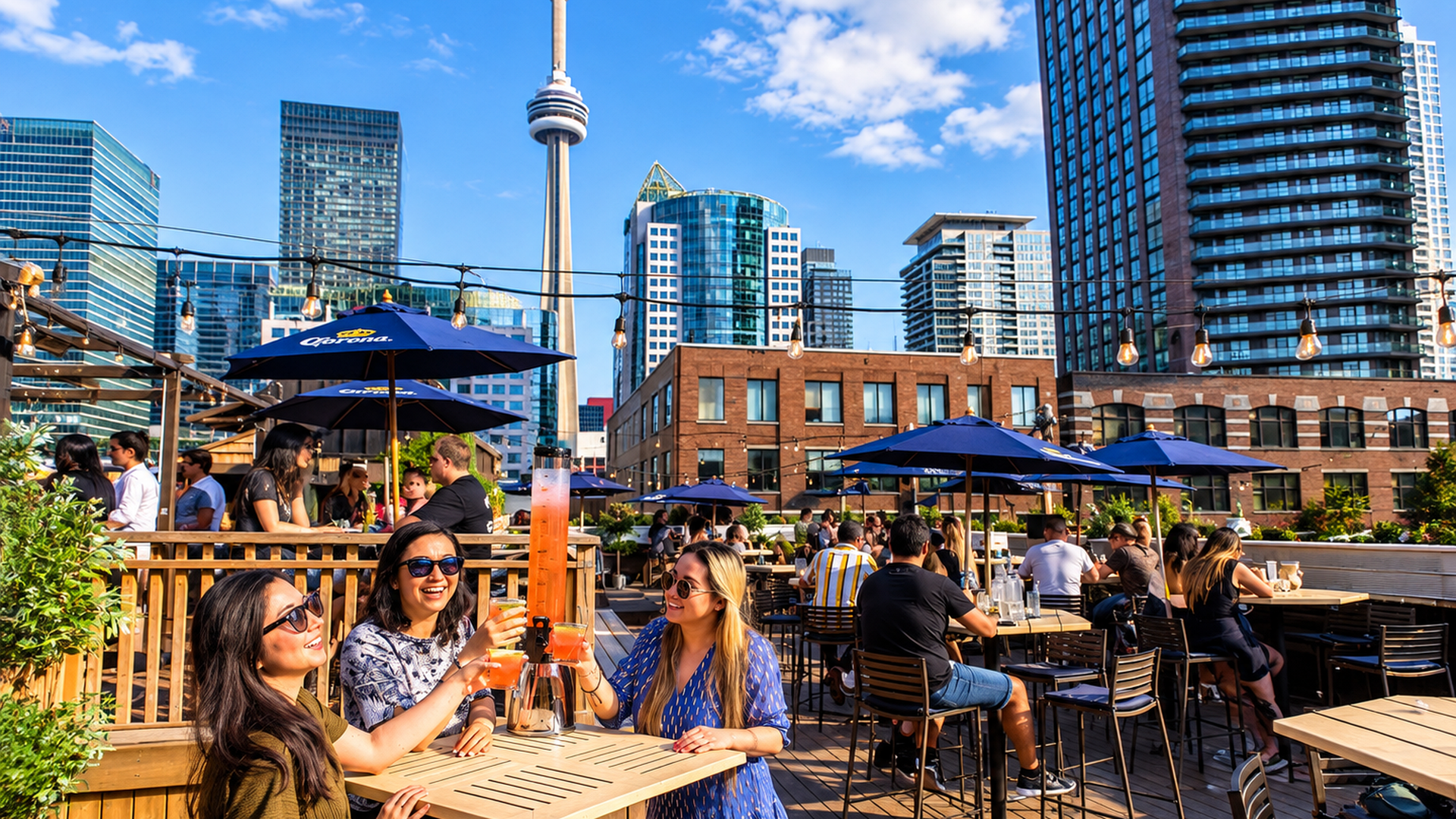
Thanksgiving week can bring a welcome increase in visitors to waterfront restaurants. Families may be gathering for holiday meals, travellers may be exploring the area, and local customers may be looking for a comfortable place to enjoy a meal near the water. For restaurants with patios, decks, terraces, or open-air dining areas, preparing these spaces in advance can make a meaningful difference to the guest experience. Effective waterfront restaurant outdoor space preparation involves more than arranging tables and checking reservations. Restaurant teams need to consider changing weather, damp surfaces, outdoor furniture, lighting, walkways, waste management, and the possibility of seagulls gathering around dining areas. A patio that looks attractive during a quiet afternoon may need additional attention when more guests, food service activity, and seasonal visitors are present. Waterfront locations also have specific maintenance challenges. Wind can move lightweight furniture and carry food debris, moisture can affect outdoor surfaces, and birds may be attracted to accessible food scraps or poorly managed waste. These issues can affect cleanliness, guest comfort, and the overall appearance of the property.
The best approach is to prepare outdoor spaces systematically before the holiday rush begins. This guide explains how waterfront restaurants can inspect, clean, organise, protect, and maintain their outdoor dining areas throughout Thanksgiving week.
Why Should Waterfront Restaurants Prepare Outdoor Spaces Before Thanksgiving Week?
Thanksgiving week can change normal restaurant operating patterns. Some locations experience increased reservations, more family gatherings, higher visitor traffic, or a greater number of customers choosing outdoor seating when conditions allow. Even restaurants that primarily serve indoor guests may find that patios and waterfront terraces become useful overflow spaces during busy periods. Preparing early helps restaurant operators avoid last-minute maintenance problems while staff are already managing increased service demands.
A better first impression for holiday visitors
Outdoor dining areas often contribute to a restaurant's identity. Guests visiting a waterfront property may choose it because they want to enjoy the scenery, fresh air, and atmosphere alongside their meal. Dirty tables, overflowing bins, scattered leaves, bird droppings, or poorly maintained furniture can undermine that experience. A clean and organised outdoor area communicates that the restaurant pays attention to the entire property, not just its indoor dining room.
Fewer interruptions during busy service periods
Small maintenance problems can become significant when outdoor seating is occupied. For example, a loose umbrella, slippery walkway, or overflowing waste container may require immediate attention. If these issues are discovered during a busy lunch or dinner service, employees may need to interrupt their regular responsibilities to address them. A pre-holiday inspection allows management to identify problems and arrange repairs before guest traffic increases.
Better protection for outdoor property
Waterfront furniture, decking, umbrellas, lighting, and decorative features are exposed to environmental conditions. Wind, rain, salt air in coastal locations, and temperature changes can contribute to wear. Seasonal preparation allows operators to check these assets, identify damage, and take reasonable protective measures.
What Should Restaurants Inspect in Their Outdoor Dining Areas?
A thorough inspection should cover every area guests and employees may use. Restaurant managers should not limit their checks to visible dining tables. The outdoor environment includes seating, walking routes, entrances, waterfront edges, landscaping, service areas, and waste collection points.
Inspect patios, decks, and waterfront terraces.
Start by examining the condition of the outdoor flooring.
Look for:
Loose or damaged decking boards
Cracked paving stones or uneven surfaces
Slippery areas caused by algae, moisture, or food spills
Standing water after rain
Loose railings, steps, or handrails
Damaged transitions between indoor and outdoor flooring
Waterfront properties deserve particular attention because moisture and changing weather conditions can affect walking surfaces. Any significant safety issue should be addressed before the area is reopened for dining. If a section cannot be repaired immediately, restrict access and clearly communicate the restriction to staff.
Check outdoor furniture and fixtures.
Inspect chairs, tables, benches, umbrellas, shade structures, and decorative fixtures. Make sure furniture is stable, clean, and suitable for the expected weather. Tighten loose fittings where appropriate and remove damaged items that could create a safety concern. Pay attention to lightweight furniture that may move in strong waterfront winds. Umbrellas should have suitable bases or anchoring systems, and staff should know when they need to be closed or secured.
Examine entrances and guest pathways.
Outdoor spaces should be easy to access and navigate. Check that pathways are free from obstacles, hoses, storage items, loose decorations, and accumulated debris. Make sure guests can move between the restaurant, patio, restrooms, and other facilities without unnecessary difficulty. If the property includes docks, piers, or waterfront viewing areas, inspect their access points carefully and follow applicable safety requirements.
How Should Waterfront Restaurants Clean and Sanitise Outdoor Spaces?
Cleaning should be one of the first steps in Thanksgiving week preparation. A clean outdoor dining area supports a more welcoming environment and helps reduce conditions that attract unwanted pests and birds. However, outdoor cleaning requires more than wiping down tables at the beginning of each shift.
Establish a complete cleaning routine
Create a checklist that covers all guest-facing and service areas.
A practical outdoor cleaning routine may include:
Remove leaves, litter, food scraps, and other debris.
Clean tables, chairs, railings, and frequently touched surfaces.
Sweep or wash suitable outdoor flooring.
Remove visible bird droppings using appropriate cleaning procedures.
Empty waste containers and clean their surrounding areas.
Inspect corners, planter edges, and areas beneath furniture.
Check that the space is dry and ready before guests arrive.
Cleaning products should be suitable for the surface being treated. Restaurant teams should follow product instructions and applicable food-safety procedures, particularly when cleaning areas near food preparation or service.
Pay attention to bird droppings and contaminated surfaces
Seagulls and other birds can create sanitation challenges around waterfront restaurants. Droppings may accumulate on railings, outdoor furniture, roofs, signs, walkways, and decorative structures. Employees should not dry-sweep or casually brush away accumulated droppings. Cleaning should follow appropriate health and safety procedures, including suitable protective equipment and methods that minimise dust or airborne particles. Where bird activity is frequent, management should investigate why birds are gathering rather than relying entirely on repeated cleaning.
Keep food-service areas separate from waste collection
Waste containers should be positioned so they are convenient for staff but do not interfere with guest seating or pedestrian movement. Use containers with secure lids wherever practical. Empty them regularly, especially during high-volume service periods, and clean spills around collection points promptly. Food waste should not be left in open bags or uncovered containers overnight. These conditions can attract gulls and other scavenging animals, creating recurring cleanliness problems.
How Can Restaurants Reduce Seagull Activity Around Outdoor Dining Areas?
Seagull activity is a common concern for waterfront restaurants, particularly when outdoor seating, food service, and waste collection are close to the water. Gulls are opportunistic feeders. They may investigate tables where food is left unattended, gather around outdoor bins, or perch on rooftops and railings overlooking dining spaces. For restaurant operators, the challenge is not simply keeping birds away from individual tables. It is reducing the conditions that make the property attractive to them.
Why do seagulls gather around waterfront restaurants?
Restaurants can unintentionally provide several things that attract gulls:
Food scraps left on tables or outdoor floors
Uncovered waste containers
Food waste stored in accessible locations
Customers feeding birds
Convenient rooftop, railing, and canopy perching locations
Regular access to discarded food near service areas
A restaurant may clean its patio every morning and still experience recurring bird activity if these attractants remain available throughout the day. For more insight into why seagulls return to the same roofs and properties, restaurant operators can consider how familiar landing locations and accessible resources contribute to recurring activity. This is why bird management should be part of the property's regular maintenance plan.
Start with food and waste management
The first step is to remove easy food sources. Train employees to clear used plates promptly, clean food spills, and avoid leaving trays or unattended food on outdoor service stations. Make sure waste containers are closed, and that collection areas are maintained. Guest communication can also help. A polite sign asking visitors not to feed birds may reduce behaviour that encourages gulls to approach tables. These simple measures are important, but they may not solve persistent bird activity when gulls regularly use the building itself for perching or nesting.
Consider physical bird deterrent systems.
Where birds repeatedly perch on roofs, ledges, signs, canopies, or other building features, a professionally planned physical deterrent system may provide a more targeted long-term solution. Different structures require different approaches. A system suitable for a narrow ledge may not be appropriate for a large flat roof or a building with multiple architectural features. For example, a grid wire bird deterrent system can create a physical barrier over selected areas without relying on harmful methods. Depending on the building and application, systems may use non-penetrating brackets, poles, and tensioned wire or cord to discourage birds from landing in protected spaces.
The correct design depends on factors such as:
The dimensions and shape of the protected area
The building's surface and construction
Wind exposure
The birds' typical landing and perching behaviour
The presence of rooftop equipment or other obstructions
Maintenance and inspection requirements
Restaurants considering a permanent solution can explore professional bird control solutions to understand the available approaches. Restaurants with recurring activity around entrances and pedestrian routes may also find it useful to review ways to keep seagulls away from building entrances and walkways.
Why should restaurants avoid relying on temporary deterrents alone?
Temporary measures may provide limited relief, but they often require repeated attention. For example, moving decorative objects or using improvised visual deterrents may not address the actual places where gulls prefer to land. Birds can also become accustomed to certain deterrents when they do not create a consistent physical or environmental barrier. A more effective strategy combines good housekeeping with a deterrent system designed for the specific building. Restaurants can also learn how professional seagull deterrents can prevent birds from returning.
Restaurants can review commercial bird control products to learn more about options for protecting commercial properties.
How Can Waterfront Restaurants Prepare for Changing Thanksgiving Week Weather?
Weather preparation is especially important for restaurants with outdoor seating. Thanksgiving falls in late November in the United States, but conditions vary considerably by region. A waterfront restaurant in a warmer coastal location may still offer outdoor dining comfortably, while a restaurant in a colder climate may need to reduce seating or close its patio during certain weather conditions. The goal is to make outdoor dining flexible without compromising guest comfort or safety.
Check local forecasts and establish a weather plan
Management should monitor local weather forecasts in the days leading up to Thanksgiving and throughout the holiday week.
Consider how the restaurant will respond to:
Rain and wet flooring
Strong winds
Sudden temperature drops
Cold evenings
Coastal storms or severe weather
Reduced visibility after sunset
Create clear procedures for closing outdoor seating when conditions become unsafe. Staff should know who makes the decision, how reservations will be adjusted, and how guests will be moved indoors when possible.
Secure furniture, umbrellas, and decorations
Wind can affect outdoor furniture and decorative items, particularly in exposed waterfront locations. Before Thanksgiving week, check that umbrellas, awnings, lightweight signs, heaters, and decorations are properly secured.
Do not assume that a heavy table or umbrella base will remain stable in every wind condition. Follow manufacturer instructions and close or remove equipment when required.
Make outdoor heating safe and practical.
Where outdoor heaters are used, inspect them before the holiday period. Follow the manufacturer's instructions regarding placement, fuel, ventilation, clearances, and maintenance. Keep heaters away from combustible materials and ensure they do not obstruct pathways. Only use equipment approved for the intended outdoor environment. Staff should know how to operate and shut down heating equipment safely.
How Can Restaurants Make Outdoor Dining More Comfortable for Thanksgiving Visitors?
A well-maintained patio can still feel uninviting if guests are exposed to uncomfortable seating arrangements, poor lighting, or a lack of shelter. Small improvements can make outdoor dining more practical during a busy holiday week.
Arrange seating for comfort and accessibility.
Review the layout of tables and chairs before Thanksgiving reservations increase. Allow enough room for guests and employees to move safely between tables. Keep accessible routes clear and avoid placing furniture too close to steps, railings, or narrow waterfront walkways. If the restaurant expects family groups, consider whether some tables can accommodate larger parties without blocking other seating areas.
Improve lighting for shorter daylight hours.
In many parts of the United States, Thanksgiving week brings shorter daylight hours. Outdoor dining areas may become darker during early dinner service. Inspect existing lighting and replace faulty bulbs before the holiday rush. Lighting should help guests see steps, changes in flooring, entrances, and pathways. It can also make the outdoor environment feel more inviting after sunset. Avoid decorative lighting arrangements that create trip hazards or interfere with safe movement.
Add weather-appropriate comfort features.
Depending on the local climate, useful additions may include wind screens, suitable outdoor blankets, covered seating, or approved outdoor heating equipment. Choose materials that are practical to clean and store. Any temporary structure should be suitable for the expected weather and installed according to safety requirements. Comfort features should never block exits, reduce accessible space, or create hazards around cooking and heating equipment.
How Should Restaurants Manage Landscaping and Waterfront Features?
Landscaping can contribute significantly to the appearance of a waterfront restaurant. However, plants, decorative features, and waterfront structures need maintenance before a busy holiday period. Overgrown vegetation can block views, reduce usable space, and create areas where litter or food waste accumulates.
Trim vegetation and remove accumulated debris
Inspect planters, shrubs, trees, and landscaped borders. Remove dead leaves, fallen branches, and visible litter. Trim plants that interfere with pathways, signs, lighting, or seating arrangements. Pay attention to areas beneath outdoor furniture and around the edges of decks, where debris can collect unnoticed.
Inspect waterfront railings and viewing areas
Guests may naturally gravitate toward areas with attractive water views. Check railings, viewing platforms, steps, and other waterfront features for visible damage or loose components. Confirm that warning signs and access restrictions are visible where needed. Do not allow decorative arrangements, temporary seating, or service equipment to interfere with protective barriers.
Consider how landscaping affects bird activity.
Some building and landscape features can provide attractive resting or nesting opportunities for gulls. If birds regularly gather around specific structures, record where the activity occurs and when it is most noticeable. This information can help a bird control professional identify the areas that need attention. Bird management should be designed around the property rather than applied randomly. Any approach should comply with relevant wildlife protection requirements.
What Should Staff Know Before Thanksgiving Week Outdoor Service Begins?
Even a well-prepared patio can become difficult to maintain if employees do not understand their responsibilities. Staff training should cover both routine maintenance and the procedures for responding to unexpected issues.
Assign clear outdoor maintenance responsibilities.
Give specific employees responsibility for checking outdoor dining areas before service, during operating hours, and after closing.
A simple responsibility plan might include:
Opening staff: inspect furniture, floors, lighting, and cleanliness.
Service staff: clear food promptly and report spills or bird activity.
Cleaning staff: maintain tables, floors, bins, and high-use surfaces.
Closing staff: secure furniture, close umbrellas, remove waste, and inspect the area.
Managers: review weather conditions, safety concerns, and maintenance issues.
Clear ownership helps prevent tasks from being overlooked.
Teach employees how to respond to bird activity
Staff should know not to feed gulls or encourage them to approach guests. If a bird enters an outdoor dining area, employees should follow the restaurant's established procedures without attempting unsafe handling or harassment. They should also report recurring activity, especially when birds repeatedly gather on roofs, signs, canopies, or other parts of the building.
Prepare for sudden changes during service.
A sudden rain shower, strong wind, or unexpected increase in guest traffic may require immediate adjustments. Employees should understand how to close an affected seating section, secure equipment, communicate with guests, and notify management. A short pre-shift briefing can help everyone understand the day's weather conditions, reservations, and outdoor seating plan.
What Are the Most Common Mistakes Restaurants Make When Preparing Outdoor Spaces?
Some outdoor preparation problems happen because restaurants focus on appearance while overlooking the underlying maintenance issues. Avoiding these common mistakes can make Thanksgiving week operations smoother.
Waiting until the holiday week to start maintenance
Cleaning, repairs, furniture replacement, and bird deterrent installation may require planning. Starting too late can leave management with limited options when contractors, suppliers, and maintenance teams are busy. Begin inspections several weeks in advance when possible.
Treating bird problems as cleaning problems only
Cleaning bird droppings is necessary, but it does not prevent birds from returning. If gulls regularly perch on the building or gather near waste areas, management should identify the reasons behind the activity and consider a longer-term prevention strategy.
Ignoring rooftops and other elevated areas
Restaurants often concentrate on the patio itself because that is where guests sit. However, rooftops, ledges, signs, canopies, and other elevated structures may be the source of recurring bird activity. Inspecting these areas can reveal problems that are not obvious from the dining area.
Overlooking wet and slippery surfaces
Waterfront environments can become slippery after rain, cleaning, or exposure to moisture. Do not assume that a surface is safe simply because it looks clean. Check its condition and use appropriate cleaning and maintenance procedures.
Failing to create a daily checklist
A one-time inspection is not enough when outdoor spaces are being used throughout a busy holiday period. Daily checks help staff identify new spills, litter, damage, waste problems, and bird activity before they become more disruptive.
A Practical Thanksgiving Week Outdoor Preparation Checklist
Restaurant managers can use the following checklist to organise their preparation.
Several weeks before Thanksgiving:
Inspect patios, decks, walkways, railings, and outdoor fixtures.
Identify repair work that needs professional attention.
Review recurring seagull activity and possible food sources.
Evaluate whether existing bird deterrents are suitable and functioning.
Check outdoor furniture, umbrellas, and heating equipment.
Plan weather-related seating arrangements.
One week before Thanksgiving:
Deep-clean outdoor dining areas.
Remove unnecessary clutter and damaged furniture.
Clean and organise waste collection areas.
Inspect lighting and replace faulty fixtures.
Confirm staff responsibilities and emergency procedures.
Review outdoor seating capacity and accessible pathways.
Each day during Thanksgiving week:
Check local weather conditions.
Inspect floors, furniture, railings, and entrances.
Clear food scraps and empty waste containers.
Check for bird droppings and other sanitation concerns.
Confirm umbrellas and outdoor equipment are secure.
Reassess outdoor seating if conditions change.
At closing time:
Remove leftover food and service items.
Secure waste containers.
Clean tables and suitable outdoor surfaces.
Secure or store movable furniture as appropriate.
Close umbrellas and protect equipment according to manufacturer guidance.
Report maintenance concerns for the next shift.
A consistent checklist makes it easier to maintain standards even when staffing and guest numbers change.
When Should a Waterfront Restaurant Consider Professional Seagull Control?
Professional bird control may be worth considering when gull activity becomes frequent, difficult to manage, or disruptive to normal restaurant operations. Warning signs include repeated bird droppings on guest-facing surfaces, gulls regularly gathering around outdoor tables, nesting activity on building structures, and recurring cleaning problems despite good waste management. A professional assessment can help determine which areas are attracting birds and whether a physical deterrent system is appropriate. Restaurants can learn more about how a professional seagull site assessment works.
Choose a solution designed for the building.
No two waterfront restaurants have the same layout. A property with a large flat roof may need a different approach from one with narrow ledges, rooftop equipment, covered terraces, or extensive signage. The most appropriate system should account for the building's design, exposure to weather, and the locations where birds are most active. Seagull Control Systems provides specialised bird deterrent solutions for commercial, industrial, and residential properties across the United States and Canada. Restaurant operators can learn more about the company's experience and approach on its About page.
For properties in the United States, additional information is available through its U.S. commercial bird control services. Canadian property operators can explore the company's Canadian commercial solutions.
Why is a site-specific assessment important?
Installing a deterrent without understanding the source of the problem may leave other attractive areas unprotected. A site-specific assessment helps identify bird landing locations, potential nesting areas, building features, and suitable installation options. It can also help operators understand maintenance considerations and how a proposed system may fit into their property's existing maintenance routine.
FAQs About Preparing Waterfront Restaurant Outdoor Spaces for Thanksgiving
1. How early should a waterfront restaurant prepare its patio for Thanksgiving week?
Ideally, begin inspections and maintenance several weeks before Thanksgiving. This allows time to repair damaged surfaces, arrange professional services, clean outdoor areas, and address recurring bird activity before visitor numbers increase.
2. How can restaurants keep seagulls away from outdoor dining tables?
Start by removing food scraps promptly, securing waste containers, and discouraging guests from feeding birds. If gulls repeatedly perch on nearby roofs, ledges, or canopies, consider a professionally designed physical bird deterrent system.
3. Why are seagulls attracted to waterfront restaurants?
Waterfront restaurants may provide accessible food, discarded leftovers, open waste containers, and convenient perching locations. Reducing food sources and addressing attractive building features can help limit recurring bird activity.
4. What should restaurants check before opening outdoor seating in November?
Inspect flooring, furniture, umbrellas, lighting, railings, heating equipment, and waste containers. Check the weather forecast and make sure pathways are clean, dry where practical, and free from obstructions.
5. How can restaurants make outdoor dining comfortable during cold Thanksgiving evenings?
Depending on local conditions, restaurants can use suitable outdoor heaters, wind screens, covered seating, and weather-appropriate furnishings. All equipment should be installed and operated according to safety and manufacturer instructions.
6. Are bird deterrent systems suitable for waterfront restaurants?
Yes. Certain physical bird deterrent systems can be suitable for commercial buildings, including restaurants. The correct option depends on the building structure, bird activity, environmental conditions, and the areas requiring protection.
7. How often should restaurant patios be cleaned during Thanksgiving week?
Outdoor dining areas should be checked before service, maintained throughout operating hours, and cleaned again after closing. High-use tables, food spills, waste containers, and bird droppings may require attention more frequently.
8. Can cleaning alone prevent seagulls from returning to a restaurant?
No. Cleaning helps remove food debris and droppings, but it does not necessarily stop birds from returning to attractive perching or nesting locations. Long-term management usually requires both good housekeeping and an appropriate prevention strategy.
9. What areas of a waterfront restaurant should be inspected for bird activity?
Inspect rooftops, ledges, signs, canopies, railings, outdoor service areas, waste collection points, and nearby structures. These locations may provide convenient resting or nesting opportunities for gulls.
Conclusion: Make Thanksgiving Week More Comfortable With Better Outdoor Preparation
Preparing waterfront restaurant outdoor spaces for Thanksgiving week requires a combination of cleaning, maintenance, weather planning, staff coordination, and effective bird management. A clean patio and well-maintained deck create a welcoming environment, but the details behind that appearance matter just as much. Safe walking surfaces, stable furniture, secure waste containers, reliable lighting, and properly maintained waterfront features all contribute to a better guest experience. Restaurants should also pay attention to recurring seagull activity. Removing food sources is an important first step, but persistent bird problems may require a professionally designed deterrent system that addresses the building features attracting birds. The most effective preparation begins before the holiday rush. With a clear inspection schedule, daily maintenance checklist, and practical prevention measures, restaurant operators can keep outdoor spaces more organised, comfortable, and ready for Thanksgiving visitors.
If seagulls are creating ongoing problems around your restaurant, explore the bird control solutions offered by Seagull Control Systems or contact the team to discuss your property's needs. A well-planned approach can help protect your outdoor environment throughout the holiday season and beyond.